【Deep Dive Essays】Cultural Etiquette for Hikers in Japan - Trail Manners, Shrine Etiquette, and Social Norms
北村 智明
稜線ディープダイブ

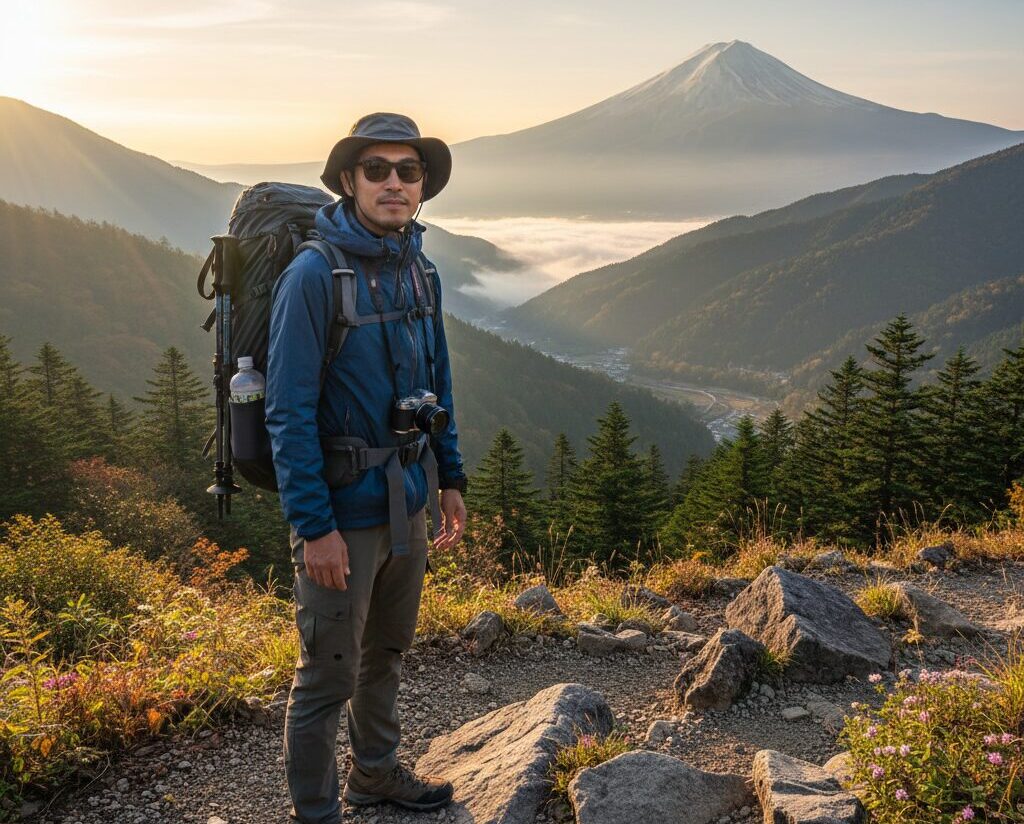
Hiking in Japan presents unique challenges: steep volcanic terrain, unpredictable weather, and distinct mountain culture. Understanding what equipment to bring—and where to acquire it—determines whether your experience becomes memorable for the right reasons. This comprehensive guide addresses the essential gear for three-season day hikes and hut stays in the Japanese Alps and beyond, with practical information on purchasing and rental options accessible to international visitors.
[Article Information]
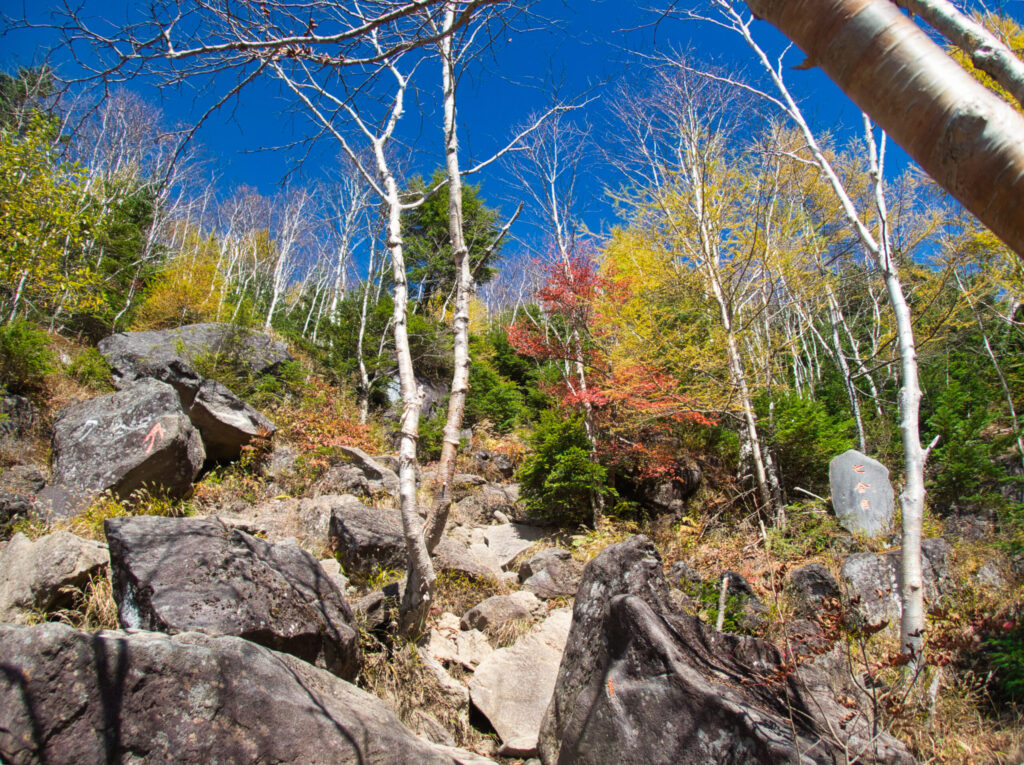
Japan’s mountains differ fundamentally from many Western hiking destinations. The Japanese Alps, while modest in absolute elevation compared to the Rockies or European Alps, present challenges that surprise unprepared hikers. Most trails ascend steeply from valley floors—gaining 1,000 to 1,500 meters in a single day is routine. The volcanic geology creates loose, rocky terrain that demands proper footwear. Weather systems moving across the Sea of Japan bring sudden changes, particularly in shoulder seasons.
The infrastructure, too, operates differently. Mountain huts (yamagoya) provide cooked meals and futon bedding, eliminating the need for camping equipment on many routes. Conversely, wild camping is restricted or prohibited in most areas. Water sources exist but are less frequent than in some regions. These factors shape equipment choices in ways that diverge from hiking elsewhere.
This article focuses on three-season hiking—roughly April through November, depending on elevation and latitude. We address day hiking as the primary activity, with considerations for overnight hut stays. Winter mountaineering, technical climbing, and stream climbing (sawanobori) require specialized equipment beyond our scope here.
The gear recommendations balance quality with accessibility. All suggested items can be purchased in Japan or brought from abroad. Rental options are detailed for visitors making short trips. Price ranges reflect 2025 market conditions in Japan, converted to US dollars for reference.
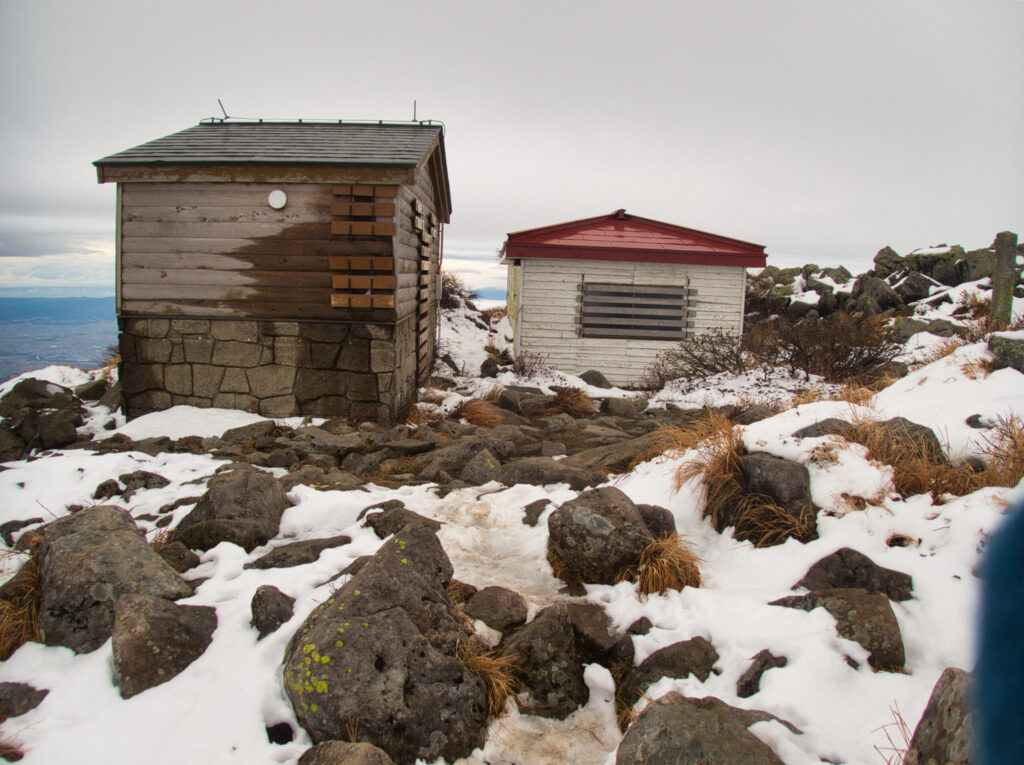
Japanese mountain guides traditionally categorize equipment into three tiers. This classification helps prioritize limited luggage space and budget.
Essential gear includes items without which safety cannot be assured. A hiker lacking rain protection in the Japanese Alps faces genuine risk of hypothermia, even in summer. These items are non-negotiable.
Recommended gear significantly improves comfort and efficiency. Trekking poles, for instance, are not strictly necessary on well-maintained trails, but they reduce knee strain on steep descents and improve stability on loose surfaces. Most experienced hikers in Japan carry them.
Optional gear addresses specific conditions or personal preferences. Items like gaiters or an emergency blanket serve particular situations. Beginners can defer these purchases until they understand their hiking style.
This tiered approach prevents both over-packing and dangerous under-preparation. It acknowledges that perfect equipment matters less than understanding what each item contributes to safety and comfort.
Spring hiking (April-May) encounters residual snow at higher elevations, particularly in the Northern and Central Alps. Temperatures fluctuate dramatically—warm valleys contrast with freezing ridgelines. Rainfall increases as the season progresses toward the rainy season (tsuyu) in June.
Summer (July-August) brings the most stable weather, but also intense heat at lower elevations and afternoon thunderstorms in the mountains. Humidity remains high. Trails become crowded, especially during the Obon holiday period in mid-August. Hydration becomes critical.
Autumn (September-November) offers the most pleasant hiking conditions. Temperatures moderate, humidity decreases, and fall colors (koyo) attract visitors. However, typhoon season extends through September, and early snow can appear at high elevations by late October. Weather windows grow shorter as winter approaches.
Each season demands subtle adjustments to clothing layers and rain protection strategies. The gear list that follows addresses three-season conditions, with notes on seasonal variations.
These three categories form the foundation of mountain safety and comfort. They represent the largest investments, both financially and in terms of careful selection.
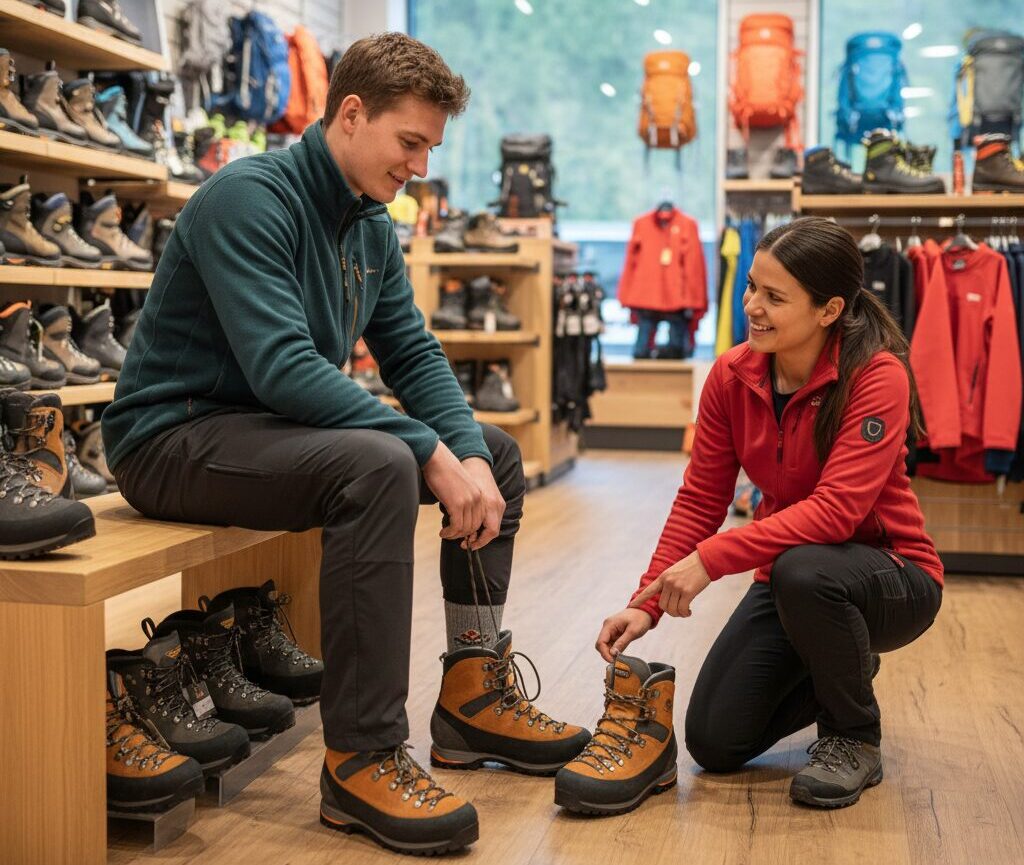
Japanese trails punish inadequate footwear. The volcanic rock creates uneven, often loose surfaces. Tree roots and rock steps appear frequently. On popular routes like Mount Fuji or the Kamikochi trails, the path itself may be well-maintained, but the steepness and duration test footwear continuously.
Day hiking permits either mid-cut hiking boots or robust trail runners, depending on experience and ankle strength. Boots provide ankle support on descents—valuable when carrying a loaded pack down steep terrain. Trail runners offer better breathability in humid conditions and reduce fatigue on long approaches. The choice reflects personal preference and prior experience.
For overnight hut stays, boots become more important. The additional weight of clothing and supplies, combined with potential off-trail sections or snow patches, justifies the stability boots provide. Full-grain leather remains popular in Japan, though modern synthetic boots perform well.
Fit matters more than brand. Japanese retail practices encourage trying multiple sizes and models. Staff in specialty stores understand fitting nuances. Boots should feel snug in the heel with room for toes to move, tested with hiking socks. Trying them on a sloped surface reveals potential pressure points.
Where to Buy:
Rental Options:
Boots are typically not rented due to fit requirements and hygiene concerns. Investment in proper footwear is necessary.
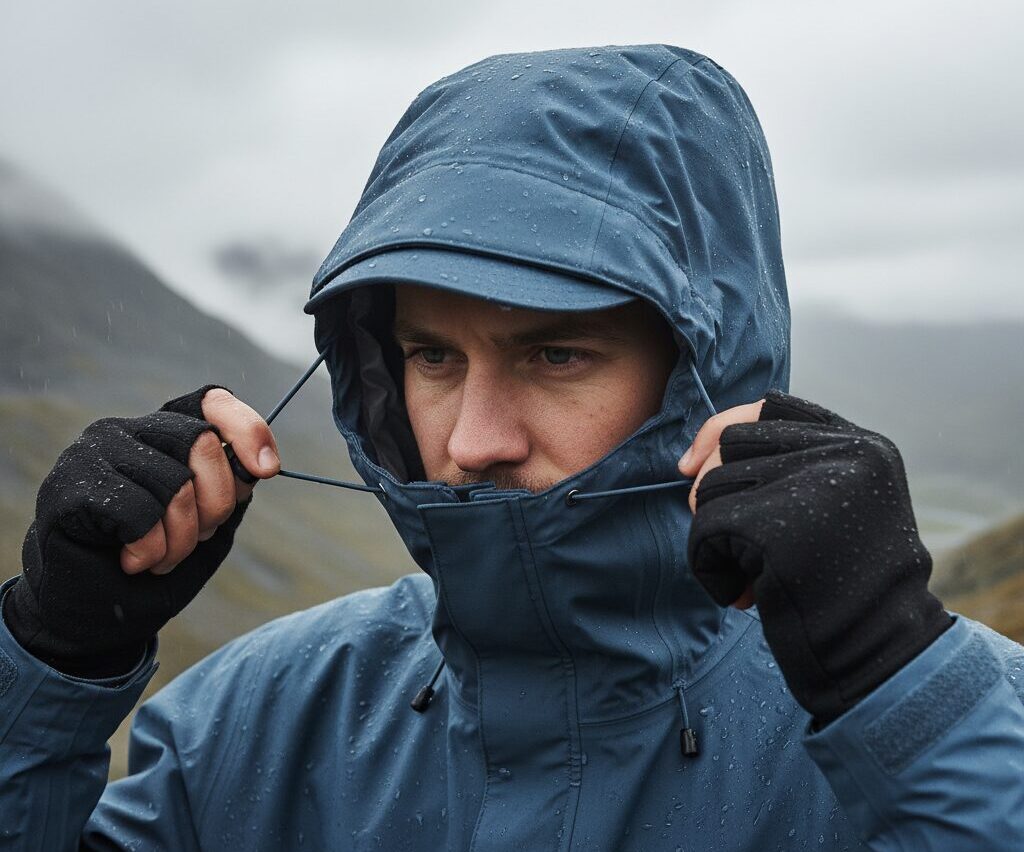
Underestimating Japan’s mountain weather patterns causes more emergencies than any other factor. The marine climate brings sudden rain fronts. At altitude, wet conditions combined with wind create rapid heat loss, even when valley temperatures seem mild.
Material selection centers on waterproof-breathable fabrics. Gore-Tex remains the standard in Japan, though alternatives like Montbell’s proprietary fabrics perform similarly at lower costs. The key specifications are waterproof rating (耐水圧, taisuiatsu) above 20,000mm and breathability (透湿性, tōshitsusei) exceeding 15,000g/m²/24h.
A rain jacket requires several features beyond basic waterproofing. The hood must accommodate a hat or helmet while maintaining peripheral vision. Pit zips allow ventilation during uphill exertion. Pockets should sit above a backpack’s hip belt. Cuffs need adjustment for varying layers underneath.
Rain pants are equally essential, despite reluctance from hikers accustomed to milder climates. Japanese trails often involve scrambling or navigating wet vegetation. Full-length side zips permit donning pants over boots without removal—critical when weather deteriorates suddenly.
Layering integration affects rain gear selection. Japanese hiking culture emphasizes the three-layer system: base layer (moisture-wicking), mid-layer (insulation), and shell layer (rain gear). The shell must accommodate bulkier mid-layers for shoulder season hiking.
Where to Buy:
Rental Options:


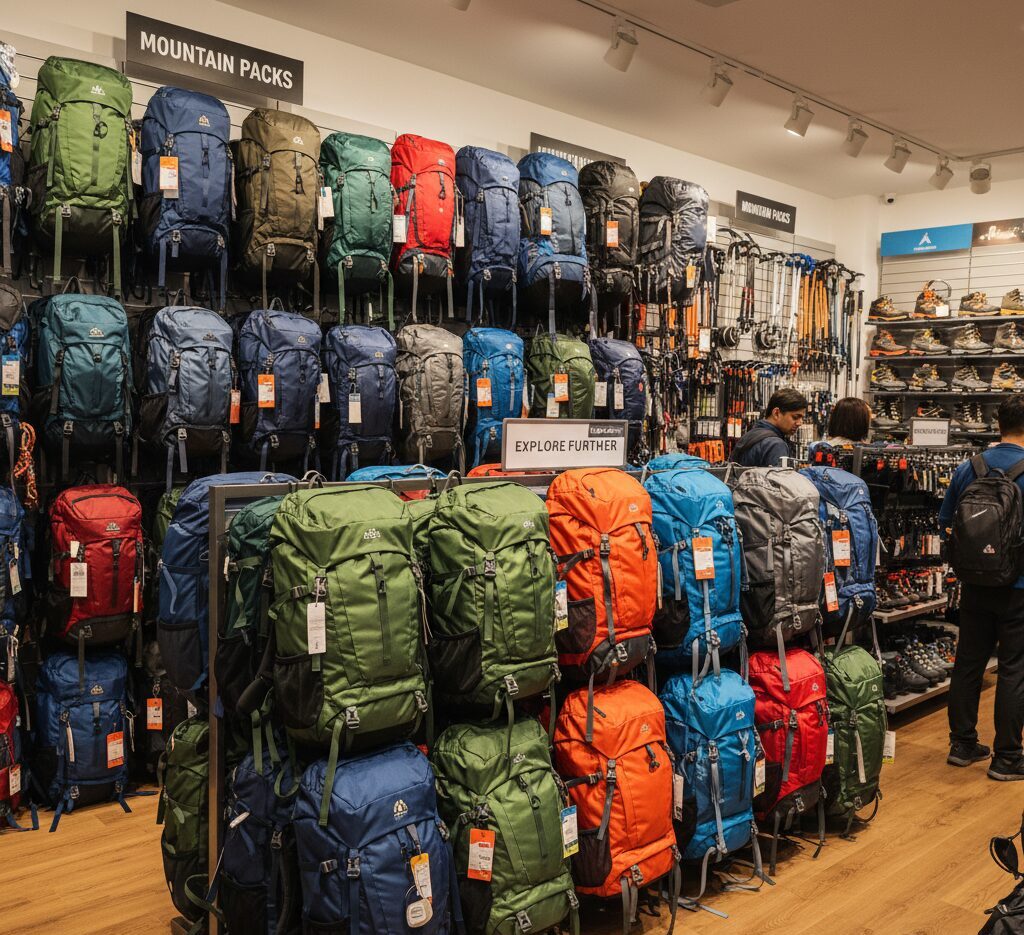
Pack capacity reflects Japanese hiking patterns. Day hikes typically require 20-30 liters for clothing layers, rain gear, food, water, and safety equipment. Overnight hut stays increase this to 30-40 liters to accommodate spare clothing and toiletries—but not sleeping bags or tents, as huts provide bedding.
Fit determines comfort more than features. The pack should transfer weight to hips through a properly adjusted hip belt. Shoulder straps distribute remaining load without creating pressure points. Back length (torso measurement) matters more than height. Japanese brands often offer sizing suited to smaller frames, advantageous for many users.
Features to prioritize include external attachment points for trekking poles, side pockets for water bottles (Japanese trails rarely permit stopping for extended breaks), and a rain cover. Internal frame packs dominate the Japanese market, offering better load distribution than frameless designs for the weights involved.
Hydration systems versus bottles remains a personal choice. Hydration reservoirs (bladders) allow drinking while walking, important on steep uphills where stopping breaks rhythm. However, they complicate refilling at mountain huts and increase cleaning requirements. Many Japanese hikers prefer bottles in external pockets.
Where to Buy:
Rental Options:
The Japanese three-layer system (base, mid, shell) guides clothing selection for variable mountain conditions.
Synthetic or merino wool fabrics wick moisture away from skin. Cotton is universally discouraged in Japanese mountain culture—the phrase “cotton kills” (綿は危険, men wa kiken) appears in safety literature. Humidity causes cotton to retain moisture, leading to chilling.
Summer hiking requires lightweight, breathable base layers. Short-sleeve or sleeveless options work for lower elevations, but long-sleeve shirts prevent sunburn on exposed ridgelines. Japanese summers combine high UV index with humidity that makes sunscreen application inconsistent.
Shoulder seasons benefit from midweight base layers. Merino wool becomes more attractive despite higher cost (¥5,000-10,000/$33-65) because it regulates temperature better than synthetics and resists odor during multi-day trips.
Where to Buy:
Fleece jackets serve as the standard mid-layer. They insulate when damp, compress well in packs, and dry quickly. A medium-weight fleece (¥5,000-10,000/$33-65) handles most three-season conditions. Japanese brands like Montbell offer excellent quality-to-price ratios.
Down or synthetic insulated jackets become necessary for autumn hiking above 2,500 meters, or for early starts when temperatures remain near freezing. These compact jackets deploy during breaks or summit stops, preventing heat loss when exertion ceases.
The Japanese practice of carrying insulation even on warm-weather hikes reflects the principle of preparing for unexpected delays. An injury or route-finding error that extends a hike into evening hours can drop temperatures significantly. The weight penalty of 200-300 grams for a lightweight down jacket is considered worthwhile insurance.
Where to Buy:
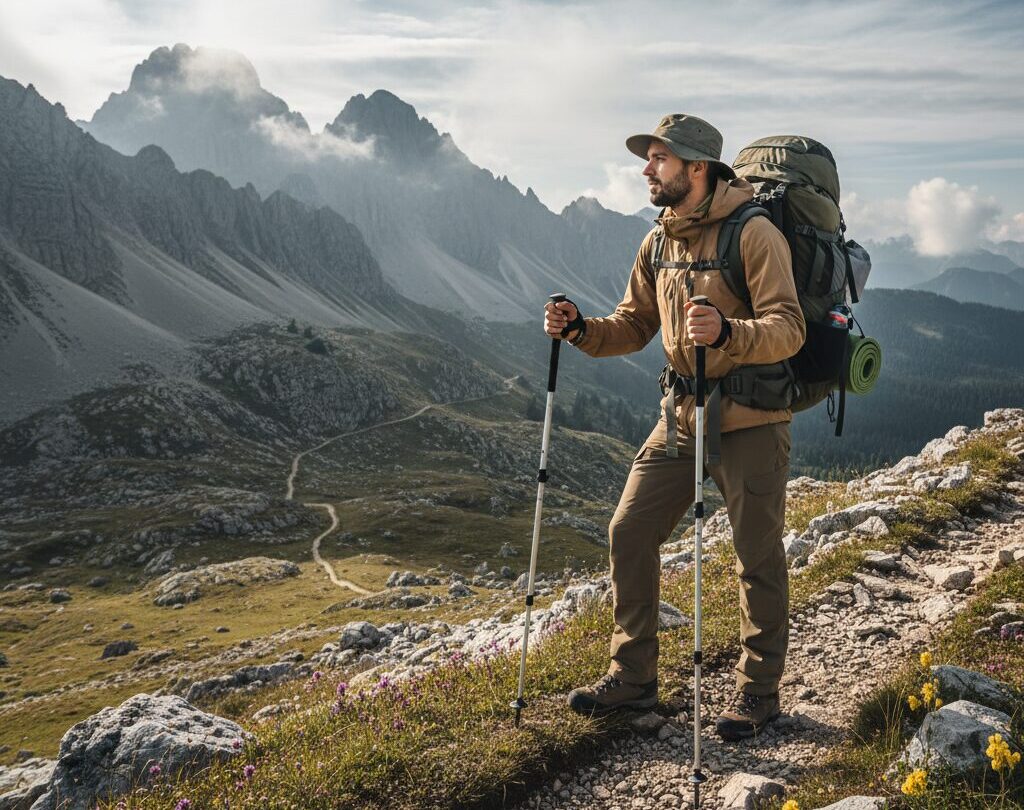
Japanese trail design makes trekking poles particularly valuable. The steep ascents and descents, combined with uneven rock steps, strain knees and test balance. Poles reduce impact force by an estimated 25% on descents, distributing load across four points of contact.
Adjustable poles outsell fixed-length models in Japan. The ability to shorten poles for uphill sections and extend them for descents optimizes efficiency. Anti-shock mechanisms, once popular, have fallen from favor as hikers recognize that some impact feedback improves proprioception.
Tip selection matters on varied terrain. Carbide tips grip rock effectively but damage wooden boardwalks (common in Japan). Rubber tip covers protect boardwalks and reduce noise—important for the courtesy-conscious Japanese hiking culture.
Where to Buy:
Rental Options:
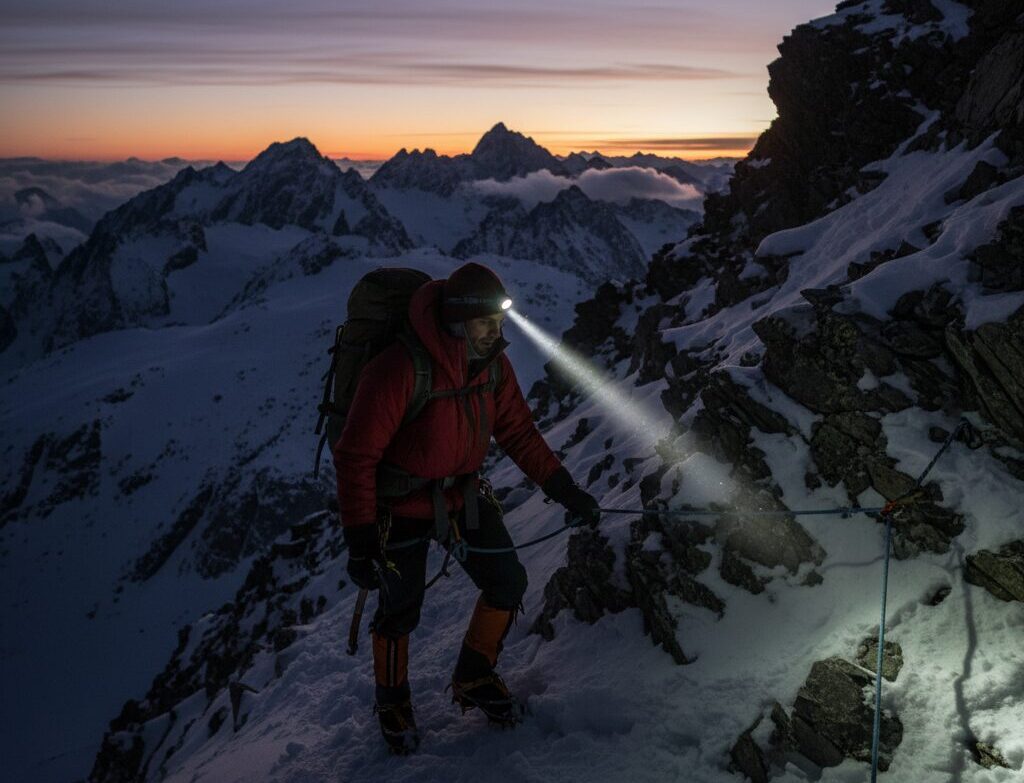
Essential for any hiking beyond afternoon hours. Japanese trails often lack lighting, and even day hikes require headlamps for emergencies. Autumn’s shorter daylight hours make delayed returns more likely.
LED headlamps with 200+ lumens suffice for trail navigation. Red light modes preserve night vision when checking maps. Rechargeable batteries reduce waste, though spare batteries should accompany multi-day trips.
Where to Buy:
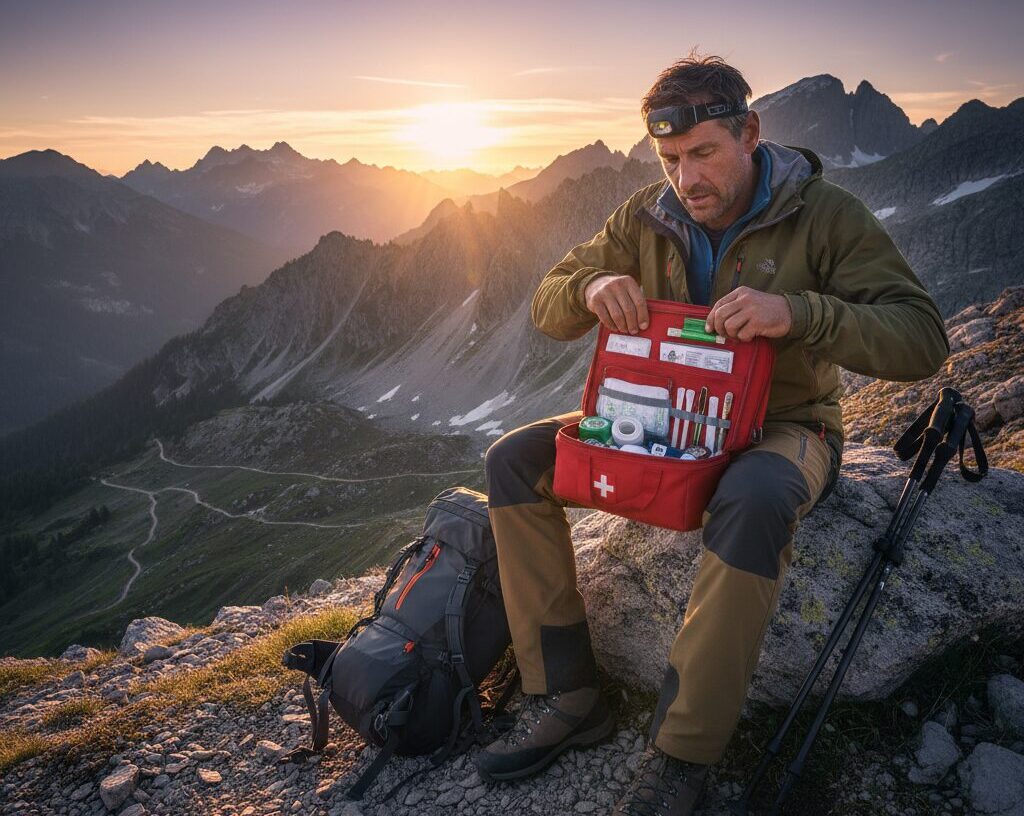
The Japanese hiking community emphasizes self-sufficiency. Mountain rescue services exist but response times to remote locations can exceed several hours. Basic first aid supplies should include:
Blister prevention deserves particular attention. Japanese trails’ steep profiles create friction hotspots. Applying moleskin or tape to vulnerable areas before blisters form proves more effective than treating them afterward.
Where to Buy:
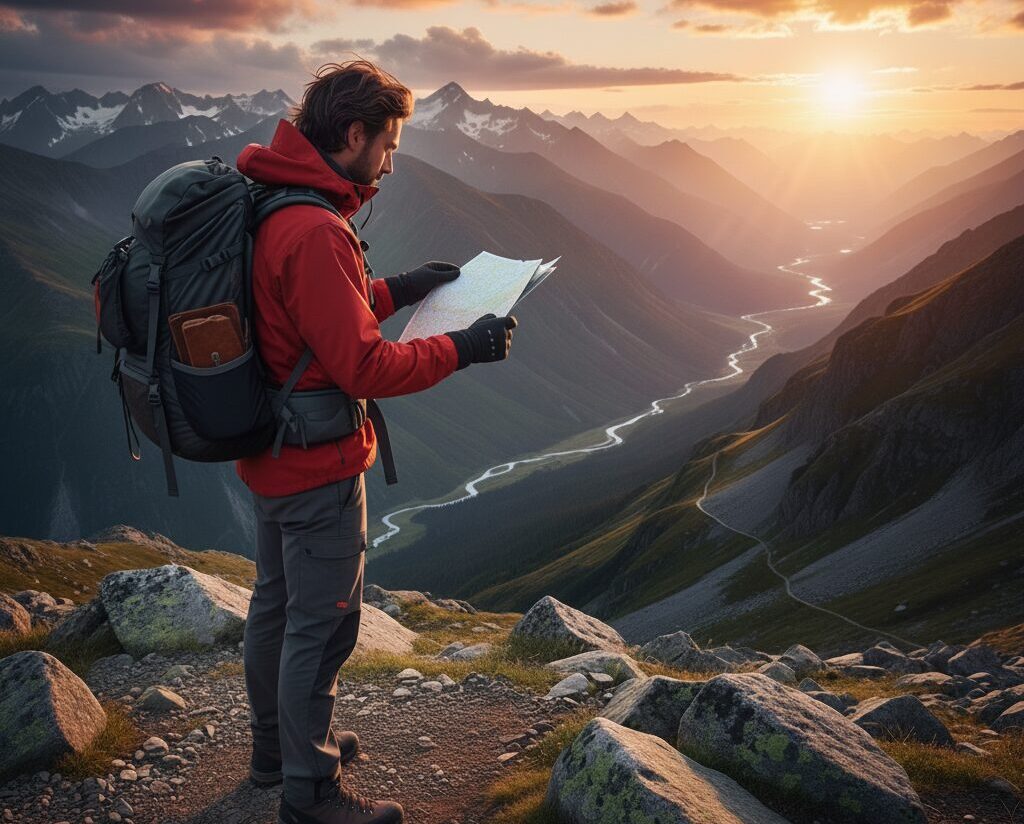
Paper maps remain essential in Japan despite trail signage. The Yama-to-Kogen-sha (山と高原地図) map series covers all major hiking areas with 1:50,000 scale topographic detail. These maps include trail times between waypoints, water sources, and hut locations—information not always available on GPS devices.
Smartphone apps like YAMAP and Geographica offer offline maps and GPS tracking. YAMAP includes crowdsourced trail conditions and photos from recent hikers. However, cold temperatures drain batteries rapidly. A portable battery pack extends device life.
Compass skills complement map reading. While most Japanese trails are well-marked, fog or snow can obscure markers. Basic compass navigation—taking bearings and following azimuth—provides backup when visibility deteriorates.
Where to Buy:
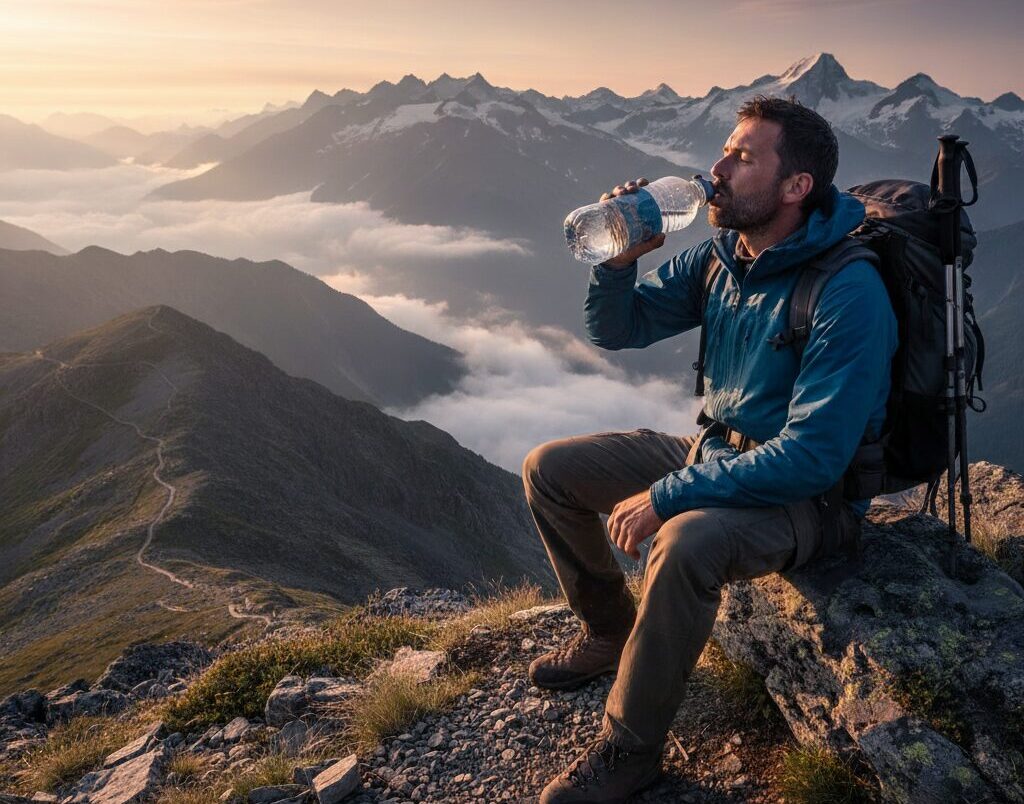
Capacity requirements vary by season and route. Summer hiking in humid conditions demands 2-3 liters for full-day hikes. Autumn reduces this to 1.5-2 liters. Japanese mountain huts sell water (¥200-300/$1.30-2 per liter), but carrying sufficient supply between huts is necessary.
Water treatment for stream sources remains debated in Japan. Many hikers drink directly from high-altitude streams, citing Japan’s generally clean mountain environments. However, wildlife presence and increasing visitor numbers raise contamination risks. Portable filters (Sawyer, Katadyn) or purification tablets provide security at minimal weight cost.
Hydration strategy in Japan differs from some Western practices. The culture discourages frequent stops for eating or drinking. Instead, hikers consume small amounts regularly while moving. Bottle placement in external pack pockets facilitates this approach.
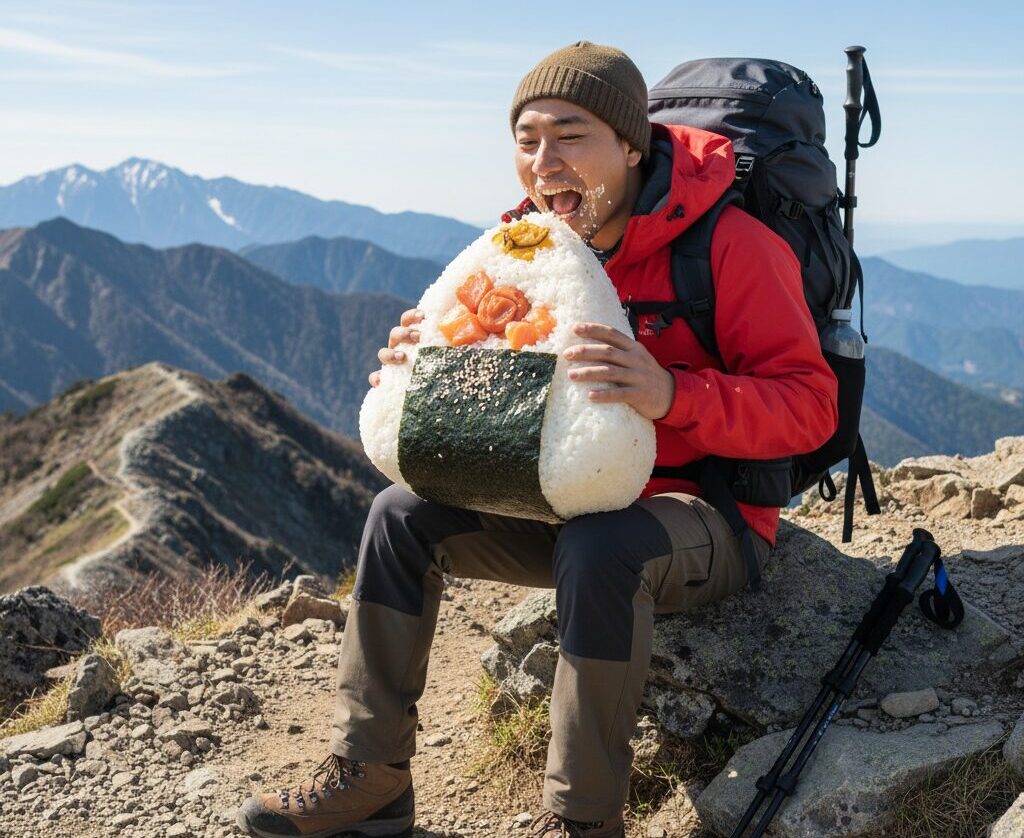
Onigiri (rice balls) from convenience stores have become iconic Japanese trail food. They provide carbohydrates, remain edible without refrigeration for several hours, and offer variety in fillings. Price (¥100-150/$0.65-1 each) and availability make them practical for casual hikers.
Nutritional balance over longer hikes requires supplementing carbohydrates with protein and fats. Nuts, dried fruit, and energy bars (カロリーメイト/CalorieMate is a Japanese standard) fill this role. Japanese convenience stores stock these items reliably.
For overnight trips with hut stays, meals are typically included in accommodation fees (¥9,000-11,000/$59-72 typically includes dinner and breakfast). Carrying only lunch and snacks suffices. If cooking at huts is intended (some permit use of their facilities), lightweight stoves and dehydrated meals can be purchased.
Where to Buy:
Japanese mountain huts (yamagoya) require less equipment than camping, but certain items improve comfort.
Huts provide bedding—typically futon or blankets. However, personal sleep sheets or sleeping bag liners (¥3,000-6,000/$20-39) add hygiene and warmth. Shoulder season nights at high-altitude huts can be cold despite provided blankets.
Earplugs address the reality of shared sleeping spaces. Popular routes see huts operating at capacity, with dozens of hikers in single rooms. Light sleepers find earplugs essential.
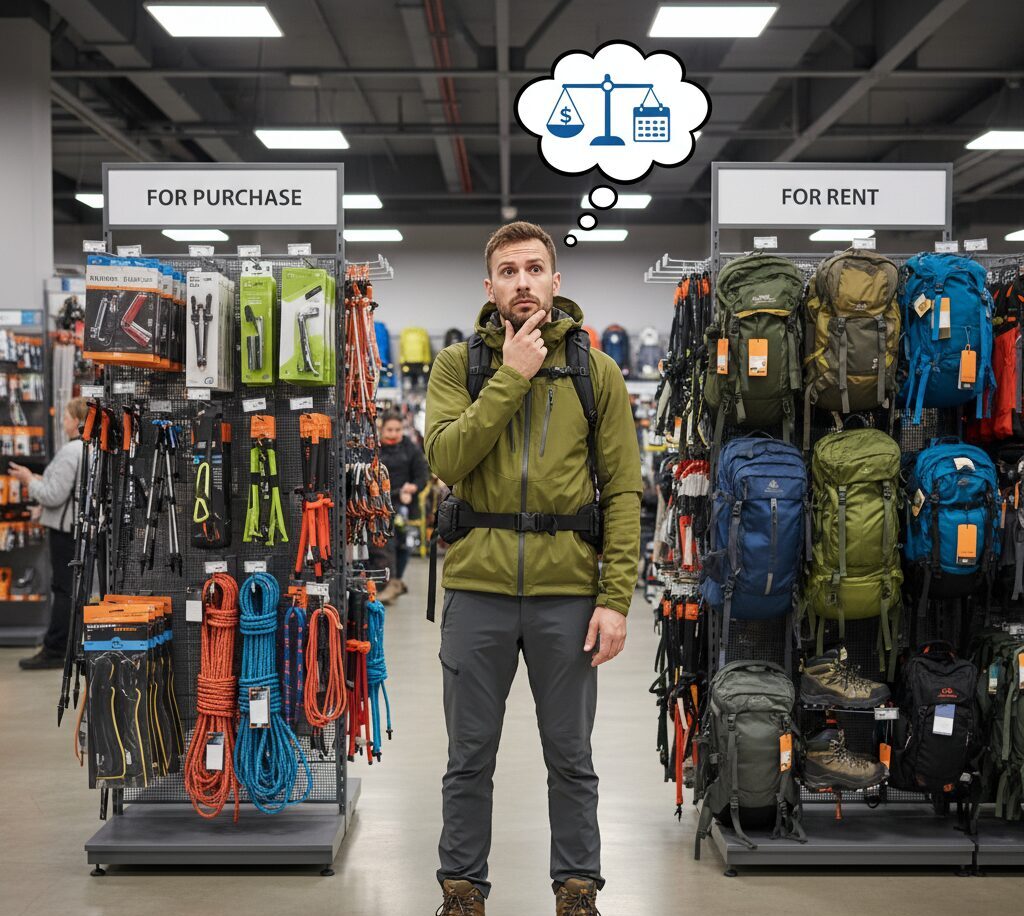
For visitors making a single trip to Japan’s mountains, rental makes financial sense for major items. A rain jacket and pants set costing ¥40,000 ($260) to purchase rents for ¥5,500 ($36) for three days. If hiking remains a one-time experience, rental minimizes both cost and luggage burden.
Frequent visitors or those planning multiple hikes should consider purchasing core items in Japan. Montbell’s quality-to-price ratio often beats similar products in Western markets. The gear serves future trips and avoids repeated rental fees.
Residents in Japan obviously benefit from purchases. However, the tiered approach suggests starting with essentials and renting optional items until hiking patterns become clear. A hiker uncertain whether they’ll enjoy overnight trips should rent a larger pack before committing to purchase.
End-of-season sales (January-February for winter gear, August-September for summer items) offer significant discounts—20-40% off regular prices at major retailers. However, selection becomes limited, particularly in popular sizes.
Used equipment markets (Book Off, Mercari, Yahoo Auctions) provide budget options. Rain gear and boots should be purchased new for reliability, but packs and clothing often appear in excellent condition at half retail price.
Major outdoor retailers in tourist-heavy areas (Tokyo, Osaka, Kyoto) employ some English-speaking staff. However, technical outdoor equipment terminology can challenge even fluent speakers.
Smartphone translation apps help with specifications and sizing. Google Translate’s camera function reads Japanese labels in real-time. However, staff assistance remains valuable for fit assessment.
Key Japanese terms for shopping:
Online shopping (Rakuten, Amazon Japan, Montbell online) offers convenience but complicates sizing for international visitors. Return policies exist but involve shipping costs and time.
Physical stores allow trying on equipment, essential for boots and packs. Staff can assess fit issues invisible to customers. The investment of time to visit stores prevents costly mistakes.
For rental arrangements, online booking (Yamarent requires Japanese address for shipping, though some hotels accept packages) simplifies logistics but limits equipment inspection before trips. Alternative services with physical locations (some Montbell stores offer rental partnerships) let customers verify equipment condition directly.
A complete essential equipment set for three-season day hiking costs approximately:
Budget alternatives using mass-market brands and rentals:
Premium equipment from specialist brands:
The appropriate investment level depends on hiking frequency and personal preferences. For most beginners, the mid-range option balancing quality and cost proves most sustainable.
Three-Season Day Hiking & Hut Stays | Complete Cost Breakdown 2025
| Feature | Rental Package | Budget Mix | Essential Purchase | Premium |
|---|---|---|---|---|
| Best For | First-time visitors | Single trip, budget-conscious | Residents, frequent hikers | Serious mountaineers |
| Upfront Cost | ¥36,800 ($241) | ¥42,420 ($278) | ¥110,000 ($720) | ¥200,000 ($1,305) |
| Luggage Impact | Minimal | Low | High | Very High |
| Flexibility | Fixed dates | Limited | Full freedom | Full freedom |
| Quality Level | Good (mid-range) | Basic to good | Good to excellent | Excellent |
| Long-term Value | 1-2 trips | 1-3 trips | Multiple seasons | 5-10 years |
| Resale Value | N/A | Low | Moderate | High (50-70%) |
Gear selection for Japanese mountain hiking involves more variables than a simple checklist suggests. The climate, terrain, and infrastructure create specific requirements that differ from other hiking environments. However, the fundamental principle remains universal: equipment serves safety and comfort, enabling focus on the experience rather than survival.
The tiered approach—essential, recommended, optional—prevents both dangerous under-preparation and wasteful over-buying. Beginners benefit from starting with core items, either purchased or rented, and expanding their kit as experience clarifies needs. The Japanese market offers excellent domestic options through Montbell and other brands, while international products remain accessible in major cities.
For international visitors, the rental infrastructure provides practical access to quality equipment without luggage burden. Residents and frequent visitors find that purchasing core items in Japan often offers better value than importing equipment. The used market adds another dimension for budget-conscious hikers.
Ultimately, the best equipment is that which you have, fits properly, and inspires confidence. A modest setup used on actual trails teaches more than perfect gear that remains in storage. Japan’s mountains reward those who prepare thoughtfully, regardless of whether their rain jacket represents budget, mid-range, or premium investment.
The trails await. Proper equipment opens the door, but the experience itself—the challenges overcome, views earned, and understanding deepened—transcends any particular piece of gear. This guide provides the foundation. Your own experience builds upon it.
Essential Equipment Checklist:
Budget Estimates (Three-Season Day Hiking):
Key Retailers:
Rental Services:
For Those Who’d Rather Skip the Shopping
Not every visitor wants to spend a full day comparing waterproof ratings or navigating a Montbell store in a second language. If your priority is simply reaching the summit safely rather than building a gear collection, hiring a certified guide removes much of this burden entirely. As a JMGA-certified mountain guide based in the Tohoku region, I coordinate equipment logistics for clients as part of guided tours—renting or providing technical gear where appropriate, so your preparation time goes toward planning the route, not researching taisuiatsu ratings. If you’re considering a guided ascent in Tohoku or beyond, feel free to reach out through my guide service page.
These guides form a complete resource for international hikers planning mountain adventures in Japan. Each addresses specific aspects of the hiking experience that, combined with proper equipment, ensure safe and rewarding mountain journeys.