【Deep Dive Essays】Winter Mountaineering in Japan: Essential Gear and Techniques for Hikers Making the Leap
北村 智明
稜線ディープダイブ

Why Start with Day Hiking?
Mountain hiking. What scenery comes to mind when you hear these words? Majestic ridgelines, crystal-clear air, the taste of coffee at the summit… While many feel drawn to these experiences, phrases like “it seems too challenging” or “I don’t know what to prepare” often prevent people from taking that first step.
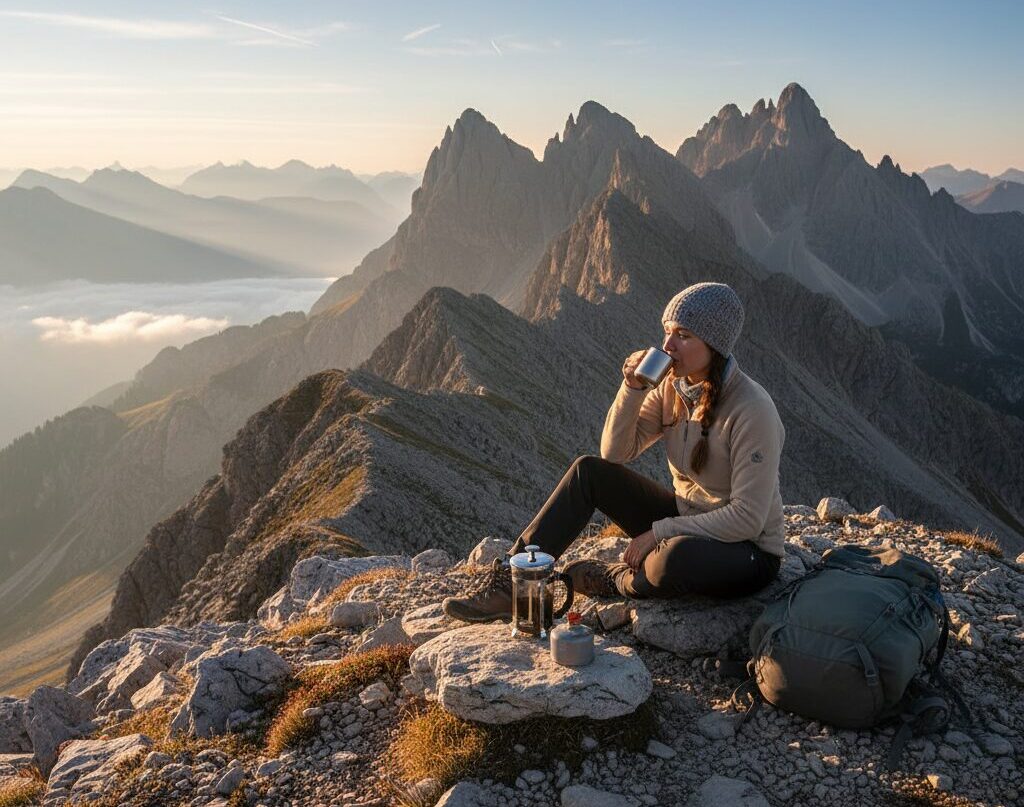
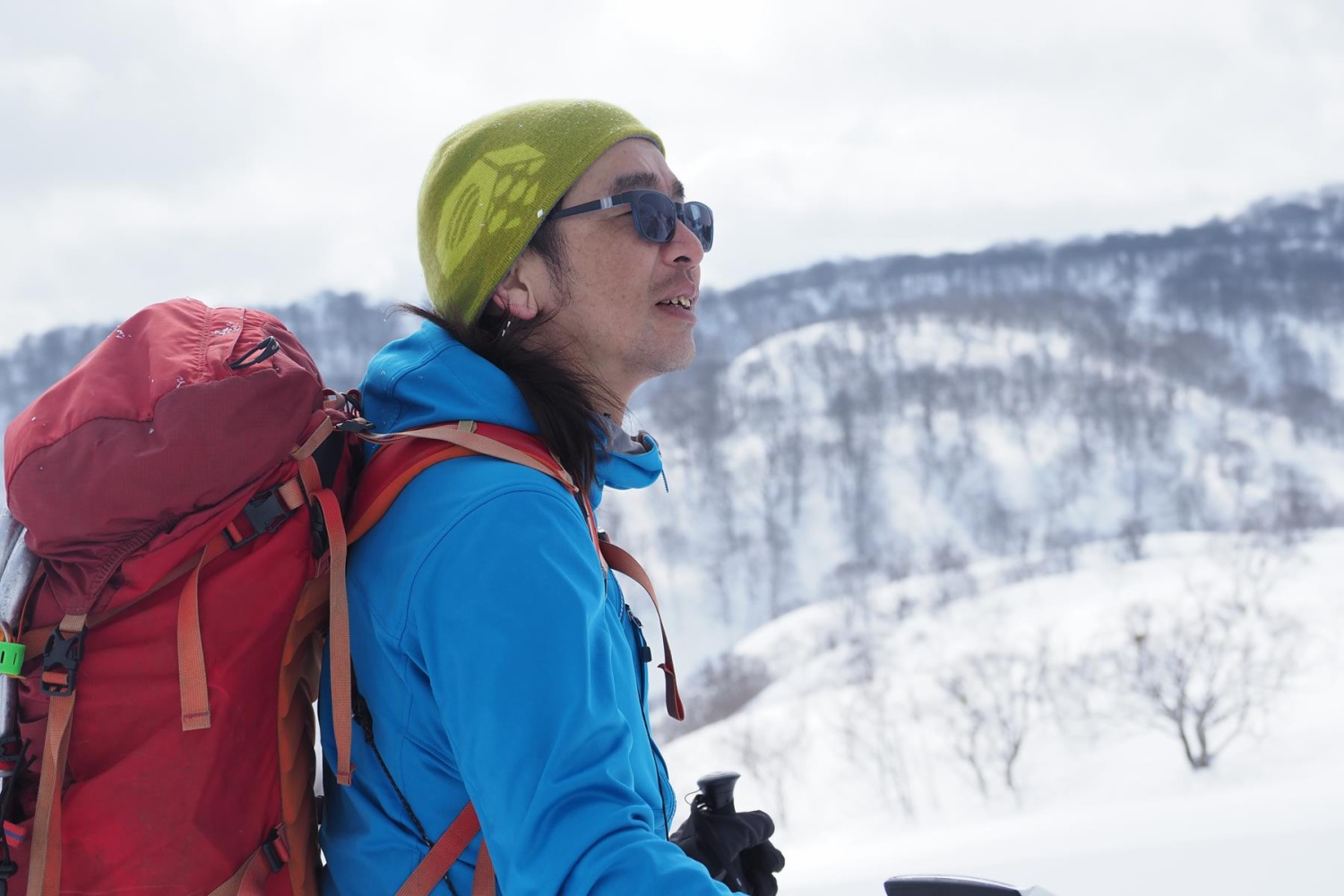
Let me get straight to the point. Day hiking is the most accessible way to fulfill that aspiration of yours.
You don’t need the extensive preparations required for tent camping or multi-day treks. You can depart early on a holiday morning and return to daily life by evening. The gear requirements are relatively simple. In other words, day hiking has minimal time and physical constraints, making it the perfect “introductory course” to the mountain world.
This article is designed for those with less than one year of hiking experience in Japan. Drawing from my experience as a mountain guide, I’ll provide a deep dive into “techniques for choosing mountains without failure” and “essential gear you should acquire.” Through specialized yet accessible explanations, I’ll navigate you toward making your first steps safe and comfortable.
Now, let’s open the door to Japan’s mountains armed with safety and comfort.
目次
Before we dive into the essentials, it’s crucial to understand what makes hiking in Japan distinctly different from other countries. These differences directly impact your planning and gear choices.
Unlike wilderness hiking in North America or Europe, most Japanese mountains feature well-maintained trails, mountain huts (yamagoya), cable cars, and facilities. This infrastructure makes day hiking particularly accessible—but don’t let this fool you into underestimating mountain risks. The accessibility has created a unique “day hiking” culture (higaeri-tozan) where people can tackle serious mountains in a single day, but the mountains themselves remain demanding.
Japan’s humid climate is perhaps the most underestimated challenge for foreign hikers. With humidity levels often reaching 70-90% (compared to 20-40% in many Western mountain ranges), sweat doesn’t evaporate efficiently. This creates two critical issues:
Weather in Japanese mountains can shift dramatically within hours, especially above 1,000m elevation. Sunny mornings can turn into thunderstorms by afternoon, particularly in summer. This is due to Japan’s island geography and the interaction of maritime air masses.
Even at relatively low elevations (800-1,500m), Japanese mountains are covered in thick forests with:
A 1,500m peak in the Japanese Alps can be more technically challenging than a 3,000m peak in the Colorado Rockies due to these factors.
The tozan-todoke (hiking notification) system reflects Japan’s community-oriented approach to mountain safety. This isn’t bureaucracy—it’s a safety net that has saved countless lives. When you submit a hiking notification, you’re joining a cultural practice that connects you to Japan’s mountain rescue infrastructure.
The Hyakumeizan (100 Famous Japanese Mountains) concept, established by mountaineer Fukada Kyuya, has created a unique hiking culture where these peaks attract hikers of all levels, from beginners to experts.
Core Focus of This Article: Three Fundamentals for Balancing Safety and Comfort
This article presents the “foundational terminology” and “failure-proof choices” you need for successful day hiking in the Japanese context.
Planning Techniques (Part 1): I’ll explain the fundamental principles of choosing mountains that match your fitness level, plus the basic theory of risk management specific to Japanese mountain conditions.
Gear Knowledge (Part 2): I’ll present specific guidance on choosing the “three sacred treasures” of basic equipment, with emphasis on why certain features matter more in Japan’s humid, variable climate.
Risk Analysis (Part 3): I’ll examine risks that beginners often overlook in the Japanese mountain environment, such as sweat-chill in humid conditions and navigation challenges in dense forest zones.
After reading this deep dive, you’ll be able to step into Japan’s mountains with confidence and enjoy nature safely and comfortably.
The core technique for ensuring safety in day hiking lies in “risk management.” There are reasons behind every choice of mountain and every item you carry—and some of these reasons are specific to hiking in Japan.
One of the most common mistakes beginners make is choosing mountains beyond their fitness level. Even for day hikes, Japanese mountains present unique challenges.
What is “Course Time”?
The “required time” written in guidebooks and maps is called course time. This represents an estimate for someone with average fitness walking at a steady pace without rest breaks. In other words, this is not the pace for beginners.
Important Note for International Hikers: Japanese course times are calculated for Japanese hikers familiar with local terrain. If you’re accustomed to hiking in drier climates or on different terrain types, you may find Japanese trails more demanding than the course time suggests.
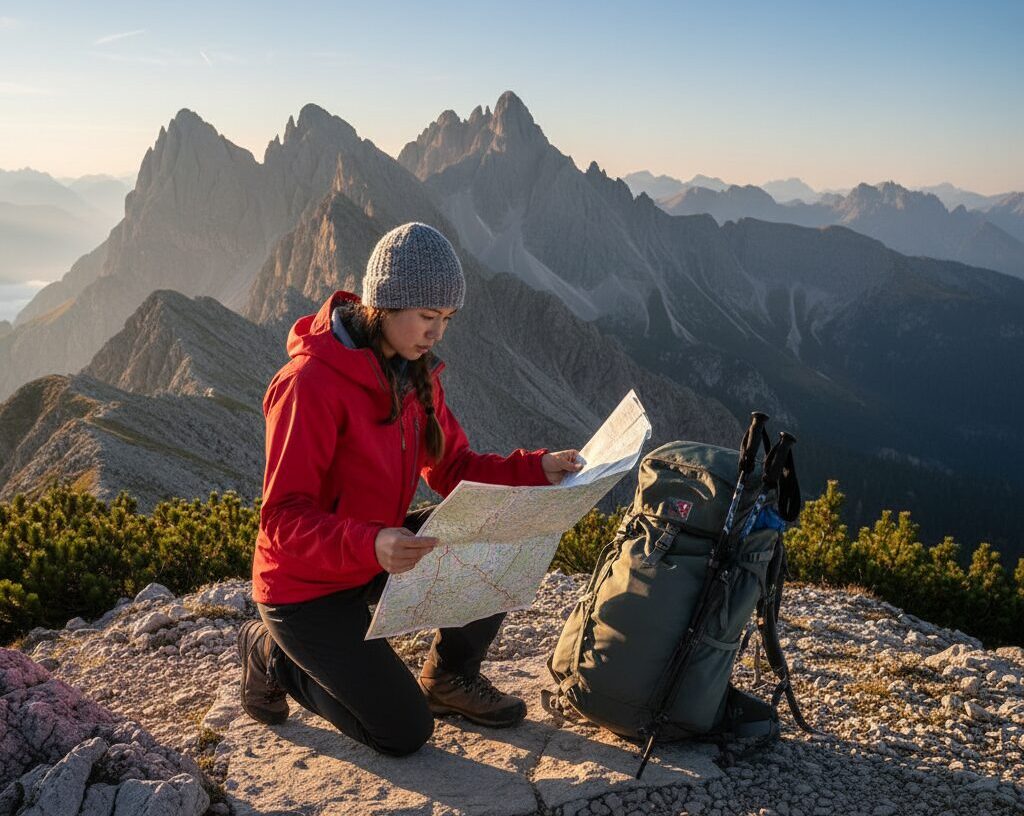
The Reserve of Strength:
To enjoy mountains safely, the golden rule is to allow time margins considering rest breaks and the possibility of getting lost. For beginners, it’s wise to multiply the course time by 1.2 to 1.5. For example, if a mountain has a 5-hour course time, plan your schedule assuming “today will take 6 to 7.5 hours.”
In Japan’s humid climate, you’ll need more frequent breaks for hydration and cooling down, making this time buffer even more critical. This “reserve of strength” becomes the fundamental principle for completing a safe descent before nightfall.
Start with mountains where you can utilize cable cars or lifts, or mountains with low elevation gain and minimal risk of getting lost. Here are concrete examples that represent the Japanese approach to accessible mountain hiking:
Mt. Takao (Tokyo, 599m)
Mt. Tsukuba (Ibaraki, 877m)
Mt. Mitake (Tokyo, 929m)
These mountains represent the principle of systematically avoiding risks while experiencing authentic Japanese mountain culture.
Tips/Caution: For your first mountain excursion, always go with someone or submit a hiking notification (tozan-todoke). In the mountains, the triple risks of getting lost, poor health, and sudden weather changes constantly exist. The tozan-todoke can be submitted at trailheads, police boxes (koban), or online through prefectural websites.
Don’t let your guard down just because it’s a day hike. Even if it’s sunny in the flatlands, sudden rain and temperature drops are commonplace on mountains exceeding 1,000m elevation.
Japanese Mountains’ Weather Characteristics:
Why is gear necessary?
In Japan’s humid environment, the combination of sweat-soaked clothing and sudden rain creates a perfect storm for hypothermia. The high humidity prevents sweat from evaporating, so you’re already wet before the rain even starts. When wind is added to this equation, heat loss accelerates dangerously.
For beginners confused about equipment selection, I’ll present specific criteria for making the right choices in the Japanese mountain environment.
When injuries or accidents occur in the mountains and movement stops, body temperature is rapidly lost. What “protects your life” in such situations are the pieces of equipment represented by the following three sacred treasures. These selections are particularly important in Japan’s humid, variable climate.
| Equipment | Foundational Terminology and Choice Options | Practical Knowledge (Why It’s Necessary in Japan) |
|---|---|---|
| 1. Backpack (Pack) | For day hiking, 20L to 30L models are standard. First, check the capacity indicated by “L (liters).” | Even for day hikes in Japan, you need to store water (more than in dry climates), food, multiple clothing layers for humidity management, and rain gear. Japanese trails often have water sources and mountain huts, so you don’t need wilderness-level capacity, but the humid climate requires extra clothing changes. How well it fits your body directly affects how easily you tire on steep Japanese trails. |
| 2. Hiking Boots (Shoes) | Mid-cut models that protect the ankles are recommended. Choose models with high sole stiffness (rigidity) and superior grip on wet surfaces. | Japanese trails frequently feature wet, moss-covered rocks and tree roots—significantly more slippery than the dry, rocky terrain common in Mediterranean or Western US mountains. Ankle support is critical on the steep, technical sections common even on “beginner” Japanese trails. Waterproof boots are essential, not optional, due to frequent rain and stream crossings. |
| 3. Rain Gear (Rain Wear) | Always prepare a two-piece separate top and bottom set. “Waterproof-breathable materials (such as Gore-Tex)” are absolutely essential. Cheap non-breathable rain gear will trap sweat and defeat the purpose. | This is the most critical piece of equipment for Japanese mountains. In Japan’s humid climate (70-90% humidity), rain gear serves triple duty: keeping rain out, managing internal moisture from sweat, and serving as a windbreaker. The combination of high humidity and sudden temperature drops makes hypothermia a year-round risk. Unlike drier climates where you might get away with a simple rain jacket, Japanese conditions demand high-quality breathable materials. When exposed to wind on ridgelines, this prevents sweat-chill hypothermia. |
Tips/Caution: Avoid “cotton” in clothing at all costs. Cotton is called “death cloth” by experienced hikers in humid climates because it absorbs sweat, stays wet for hours in high humidity, and actively chills your body. Wear quick-drying synthetic fibers or merino wool materials. This is the foundation of layering, and it’s more critical in Japan than in drier mountain environments. In Japan’s humidity, cotton can remain wet for an entire hike, whereas synthetic materials will at least partially dry during breaks.
Bear Bells (Kuma-suzu): In many Japanese mountain regions, particularly Hokkaido and the Japan Alps, bears are present. Carrying a bear bell is standard practice and considered polite—it warns both bears and other hikers of your presence.
Cash for Mountain Huts: Even on day hikes, bring cash (¥1,000-2,000). Many Japanese mountain huts sell drinks, snacks, and emergency supplies. Credit cards are rarely accepted. Some trails also have paid toilets (typically ¥100-300).
Trail Etiquette: Japanese hiking culture emphasizes greetings. A simple “Konnichiwa” when passing other hikers is standard. On narrow trails, the ascending hiker typically has right of way.
Here I’ll explain risks that beginners often fail to notice in Japan’s unique mountain environment, and methods for avoiding them.
A common mistake among beginning hikers is underestimating their needs in humid conditions.
Water Shortage in Humid Climates: Here’s the paradox—even though it feels “wet” outside, hiking in 80% humidity causes severe dehydration. Your body produces more sweat trying to cool down, but it doesn’t evaporate, so you don’t feel as thirsty as you actually are. Meanwhile, you’re losing water at an accelerated rate. This leads to headaches, nausea, and impaired judgment.
Hunger Knock (Bonking): The steep grades common on Japanese trails, combined with high humidity, burn significantly more calories than equivalent-elevation hikes in drier climates. A mountaineering term referring to “running out of gas,” rapid drops in blood sugar cause loss of strength and decreased thinking ability, increasing risks like getting lost.
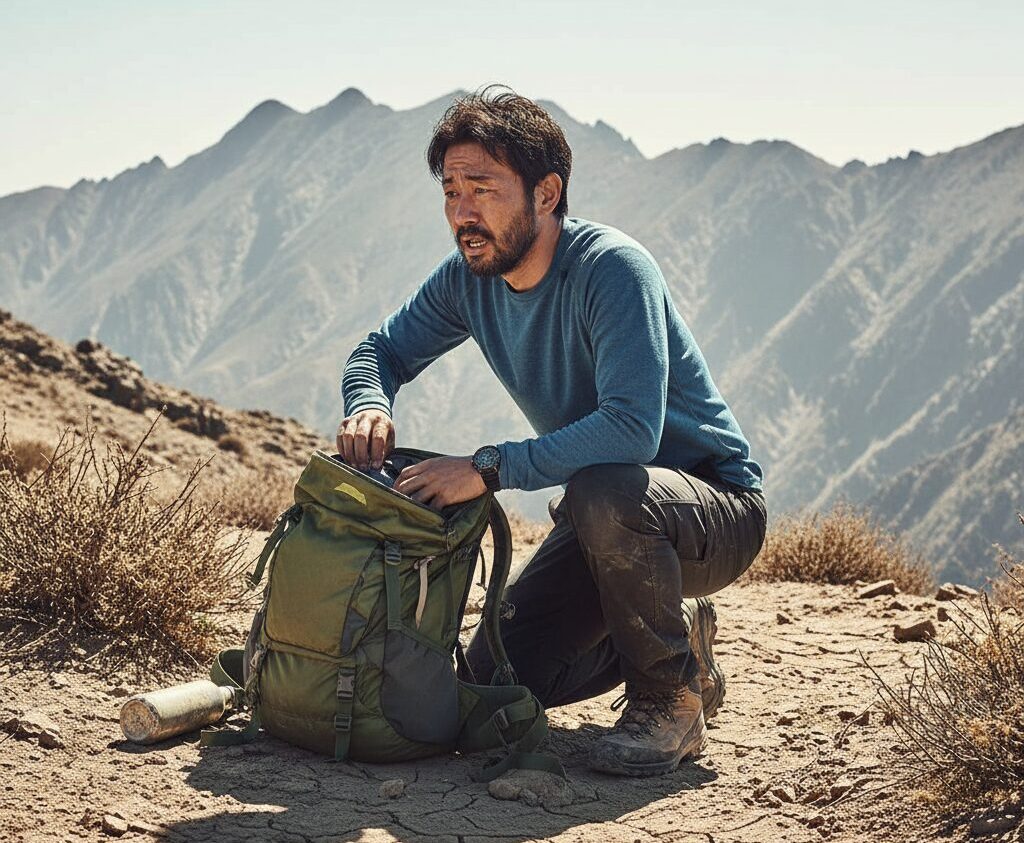
Tips/Caution: Bring at least 1.5 liters of water for a standard day hike (more than you might carry in drier climates). Many Japanese trails have water sources, but don’t rely on them—carry your own supply. In addition to staples like rice balls (onigiri) or bread, carry trail food that converts quickly to energy—chocolate, nuts, energy gels. The golden rule is to consume these before you feel tired. On hot, humid days, salty snacks help replace electrolytes lost through heavy sweating.
This is the most dangerous and misunderstood risk in Japanese mountain hiking, particularly for those accustomed to drier climates.
The Deadly Sequence:
Case Example: “The forecast says clear, so it’s fine.” Cases of beginners making this judgment and not bringing rain gear never cease. But in Japan, rain gear isn’t primarily for rain—it’s for wind protection and managing the wet-clothing problem created by humidity and sweat.
Core of the Risk: On high-elevation ridges, even without rain, the combination of sweat-soaked clothing and wind causes rapid heat loss. This is hypothermia, and it can occur at 20°C (68°F) air temperature if you’re wet and exposed to wind. The danger level skyrockets when you add actual rain to already-sweaty clothing.
Application: Use rain gear as a windbreaker during rest breaks or on windy ridgelines, even when it’s not raining. As explained in Part 2, waterproof-breathable materials prevent heat loss without causing additional sweat buildup. Even for day hiking, this should be stored at the top of your pack as an essential item. On Japanese mountains, also carry a complete change of base layer clothing—the ability to change into dry clothing can be life-saving.
The Forest Visibility Problem: Unlike alpine environments where you can see distant landmarks, Japanese mountain forests limit visibility to 20-30 meters. Trail junctions can be subtle, and in heavy forest, it’s easy to continue on a faint animal trail while missing the actual hiking trail.
The Moss and Root Factor: The same beautiful moss that covers Japanese forests also covers trail markers, signs, and rocks. A trail that’s obvious in dry conditions becomes ambiguous when everything is uniformly green and wet.
Risk Mitigation:
To avoid getting lost on day hikes, prepare using both traditional and modern tools.
Digital Tools for Japanese Mountains:
Traditional Preparation:
Time Management Principles:
Terrain Confirmation: Check key points in advance—trailhead, summit, trail junctions, hazardous areas (scree fields, chain sections). Japanese trails often have numbered stations or markers; note these on your map.
Clarifying Descent Time: Setting a deadline like “depart the summit by ○○ o’clock” and avoiding unreasonable actions is the most important risk management. In Japan’s mountain culture, it’s considered wise, not weak, to turn back early.
Day hiking in Japan is a wonderful pursuit that offers the most accessible way to experience the majesty of nature and the sense of achievement. However, this enjoyment only becomes possible with the foundation of safe planning and appropriate gear selection—particularly when you understand Japan’s unique mountain environment.
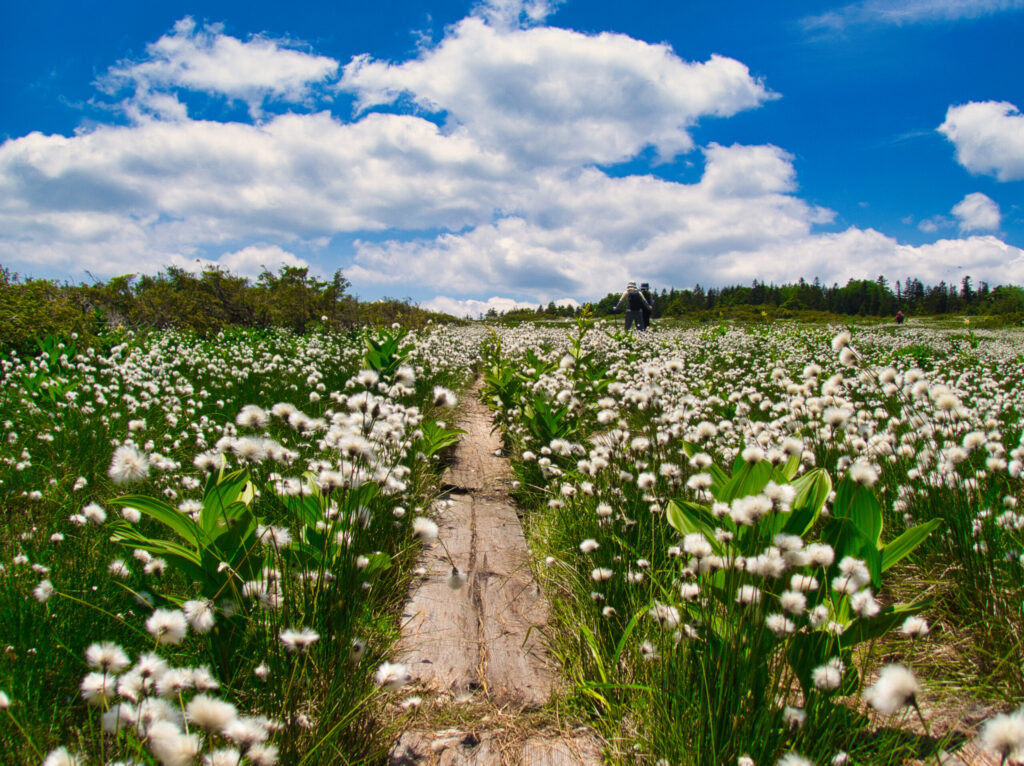
The accessible infrastructure of Japanese mountains—the cable cars, huts, and well-marked trails—is a blessing that makes mountain hiking available to everyone. But this accessibility can create a false sense of security. The mountains themselves remain powerful and demanding, with challenges intensified by high humidity, rapid weather changes, and dense forest environments.
Keep in mind the fundamental theory, failure-proof equipment choices, and importance of risk management explained in this article. Don’t push yourself at first—build experience starting with accessible mountains like Takao, Tsukuba, or Mitake. Continuous training (experience) is what improves your hiking skills and deepens your understanding of Japanese mountain conditions.
I hope this “deep dive” provides strong support for your first steps into Japan’s mountain world. Understanding what makes these mountains unique—the humidity, the terrain, the culture—will help you not just survive, but truly enjoy the experience. Now, armed with safety and comfort, confidently enjoy Japan’s magnificent mountain world!