【Deep Dive Chronicle】Mt. Tsurugi-dake Chinne Left Ridge: Climbing the Northern Ridgeline via Ikenotan Glacie
北村 智明
稜線ディープダイブ
To the far northern reaches stands “Tsugaru Fuji,” Mt. Iwaki-san. After a long journey in late October, we arrived to find the mountain newly adorned in white from an unexpected first snowfall. Bearing the responsibility of leading a group ascent, I faced the challenging mixed terrain of snow and rock. This is a mountain chronicle documenting the mountain’s sincere teachings hidden beneath its beauty, and the quiet reverberations etched into the climber’s heart.
目次
For those of us based in Fukushima, the journey to Mt. Iwaki-san, the great peak of Aomori, was already an expedition in itself. At 6:30 AM, in the pre-dawn darkness, our bus quietly departed from the southern Tohoku region. Smartphones buzzed with news of Japan’s first female prime minister, inaugurated just days before. The autumn scenery of Tohoku flowing past our windows gradually deepened into late autumn hues. After the lengthy journey, we finally reached the eighth station on Mt. Iwaki-san’s slopes—also known as Tsugaru Fuji—just past 1:00 PM.
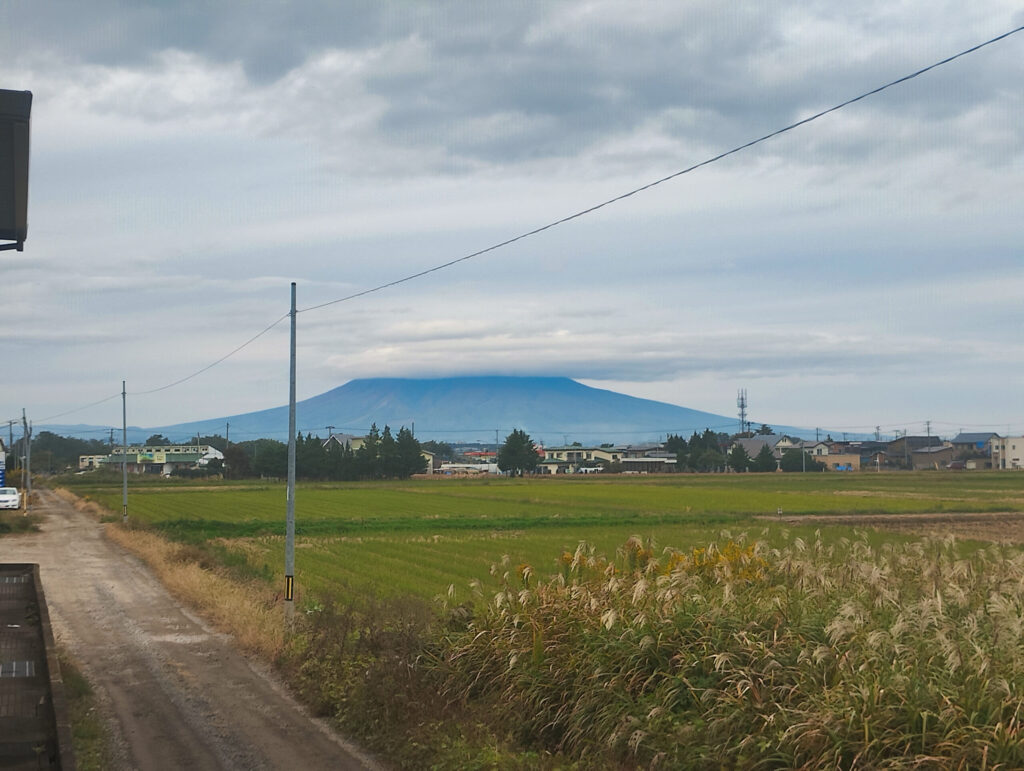
Mt. Iwaki-san, at 1,625 meters elevation, rises as a solitary peak from the Tsugaru Plain. Its majestic form has long gathered the faith of local people, earning it the affectionate name “O-Iwaki-sama.” One of Japan’s 100 Famous Mountains, the writer Osamu Dazai likened its elegant beauty to “twelve layers of kimono spread out, so translucent and graceful.” However, on this day, Mt. Iwaki-san’s smile held a faint severity.
At the eighth station parking lot, reached after ascending the “69 Curves” of the Tsugaru-Iwaki Skyline, we were greeted by mountain slopes outlined in white from yesterday’s first snow. For mountains at this elevation, late October already marks the entrance to winter. A trace of unease crossed my mind. As the guide, I bore responsibility for the safety of our large group of 22 participants, and I needed to calmly assess this unexpected condition of “first snowfall.”
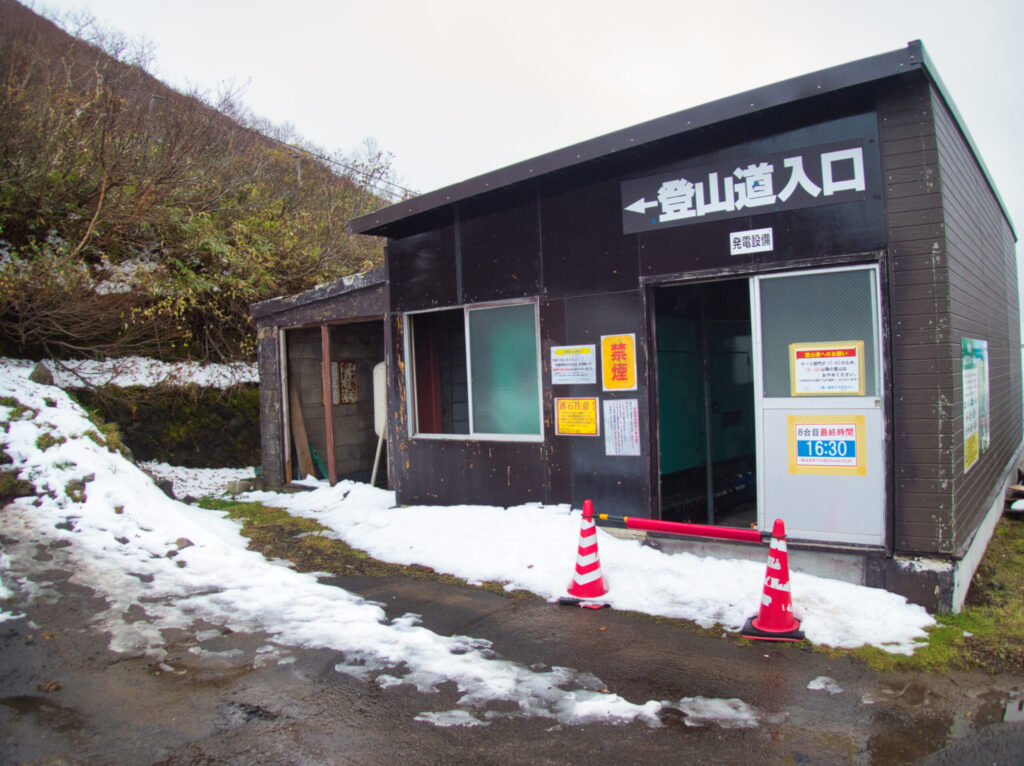
Normally, one can easily reach the ninth station from the eighth using a chairlift. But it’s precisely in this “easy” section that the mountain’s danger lurks. From the chairlift terminus to the summit, the route becomes serious climbing terrain with continuous rock sections. Fresh snow conceals rock and soil, with melting slush and potentially packed ice hidden beneath. Without crampons, maximum caution with every footstep was essential.
During our briefing at the eighth station, I emphasized the time constraints. The Skyline gate closes at a strict time. Any delay in descent would affect all participants. We steeled ourselves for the reality that this would not be a casual tourist hike, but a challenging endeavor against both nature’s severity and the clock.
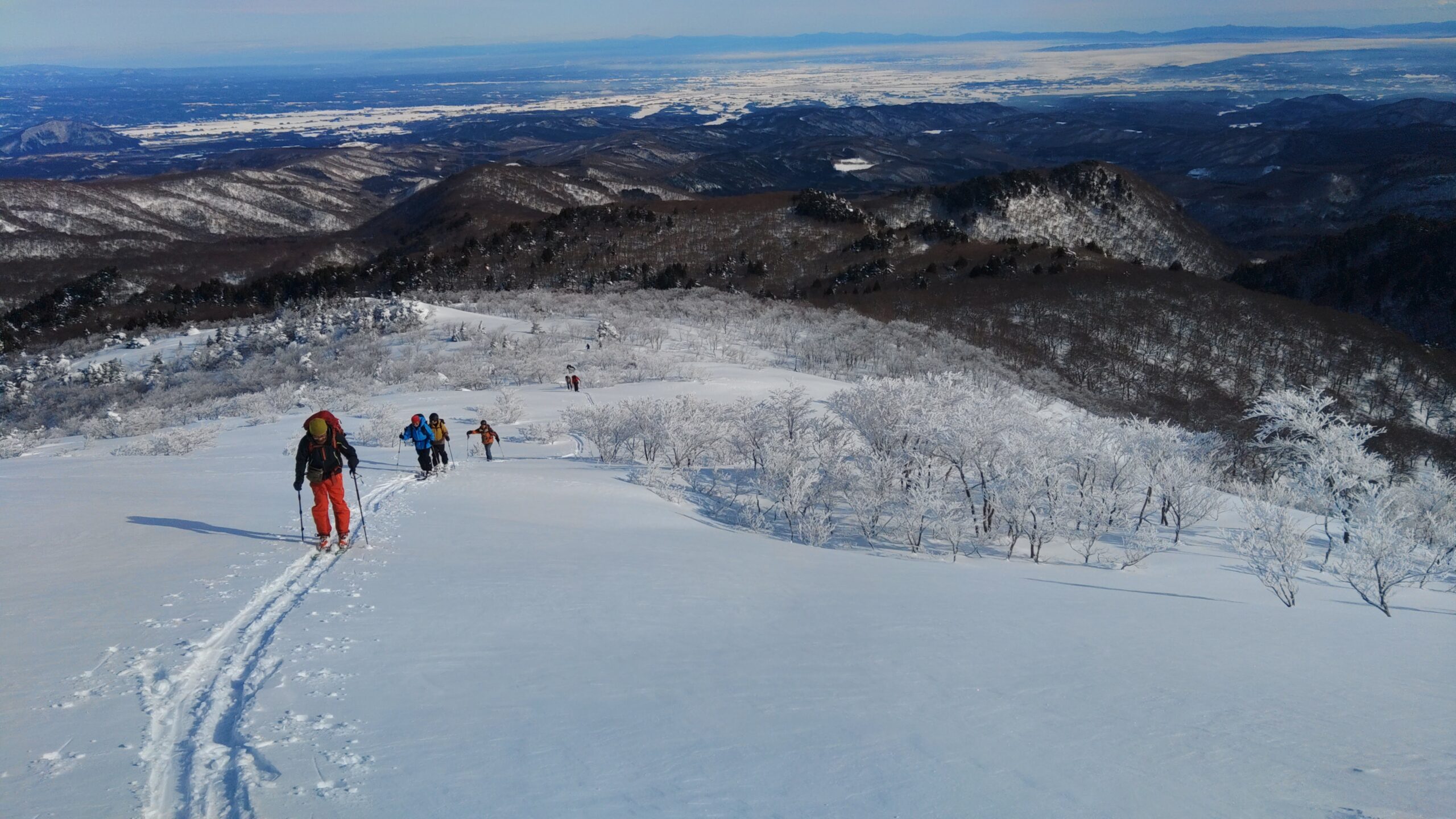
After the short chairlift ride, stepping out into the white world of the ninth station, light exclamations arose from the participants. The blanket of silver was a poetically pure sight for those who wear the dust of daily life.
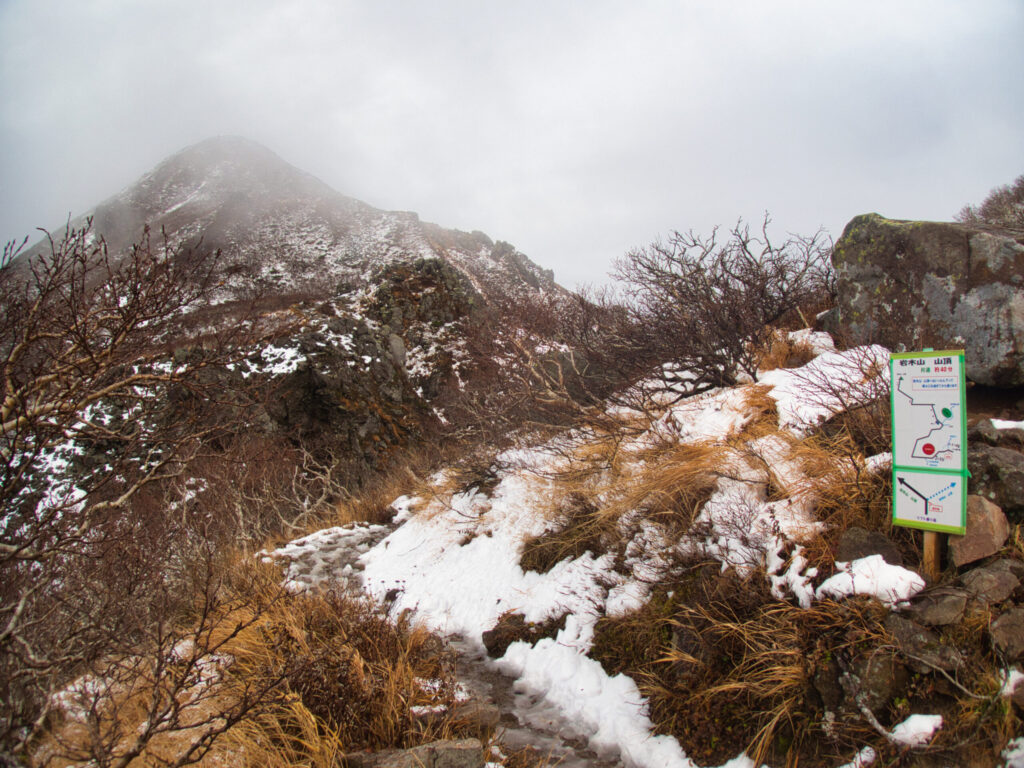
The fresh snow draped over the mountain slopes like a white ceremonial kimono, exuding serene beauty.
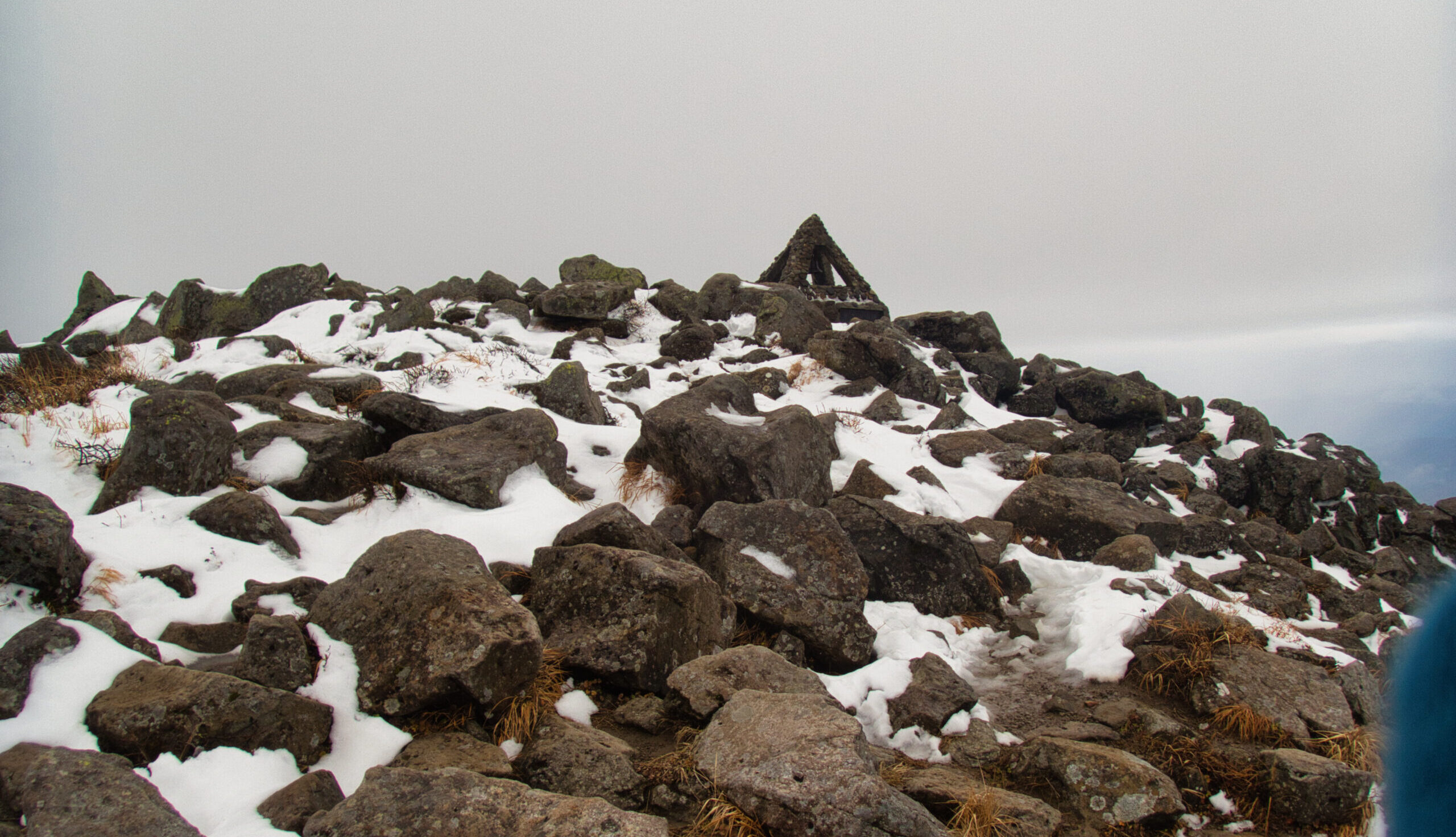
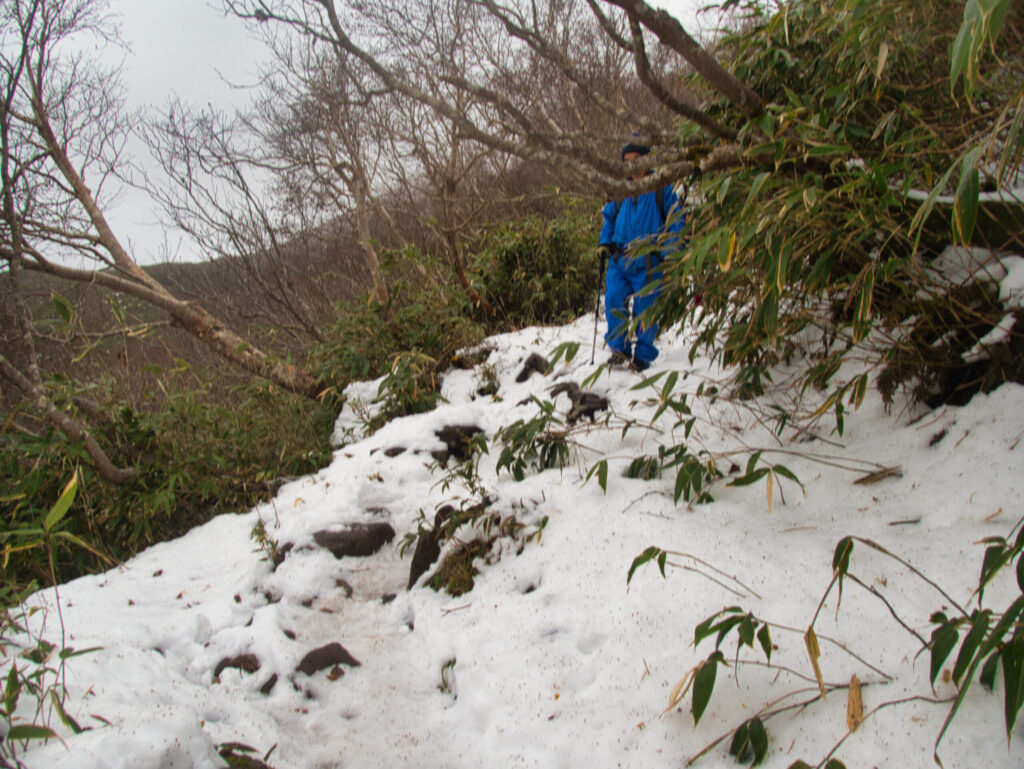
However, my eyes caught the reality behind this beautiful scene. The snow still held much moisture, some sections already turning to slush. And beneath lay rocks of various sizes. The pleasant “crunch” of fresh snow underfoot was comforting, but carelessness was forbidden.
As we began climbing, the route’s character transformed. Where rock sections continued, fresh snow concealed the holds, requiring us to brush away snow to confirm footing. This became the technical crux. On mixed snow and rock terrain, one needs both the broad footwork of fresh snow—weighting the entire sole—and the precise technique of three-point contact to catch the sharp edges of rock. Deceived by snow, even a momentary loss of balance could lead to a major accident with a group. I continuously called out instructions for careful footwork and deliberate weight shifts.
Midway through the climb, the group’s pace began to falter. The fatigue from long-distance travel and the mental tension from the mixed snow and rock conditions were draining participants’ spirits. Each time boots got wet from melting snow or feet caught in slush, energy depleted faster than expected.
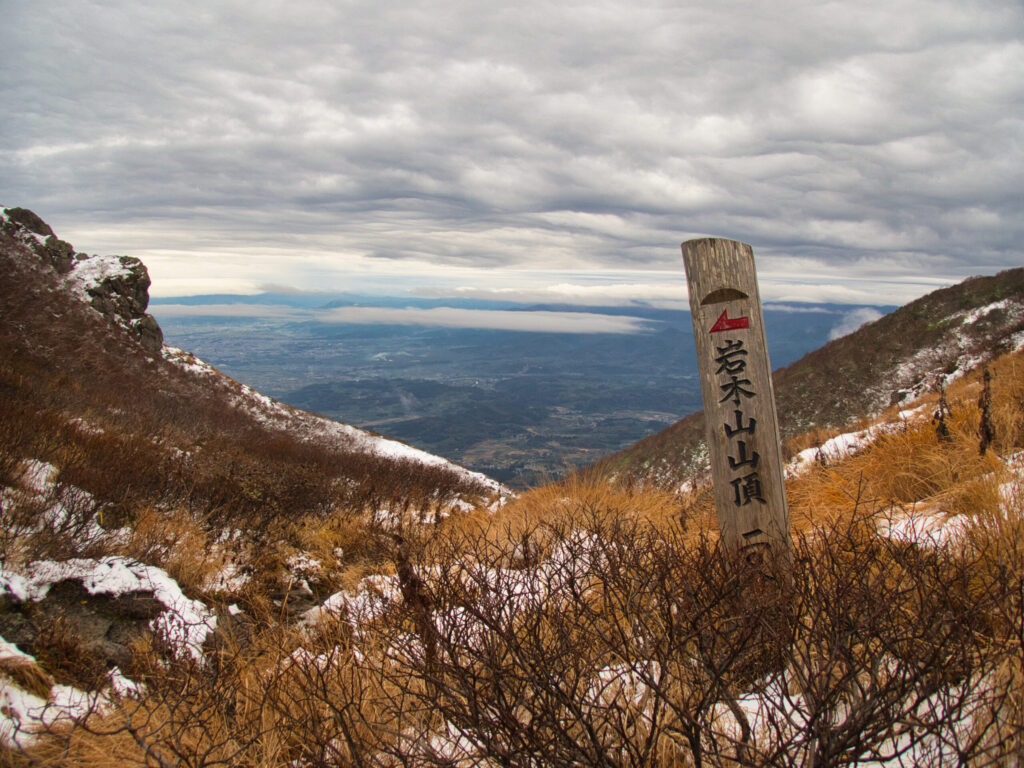
“I need to turn back here.”
One participant announced this, and several others soon found themselves unable to continue. Despite enduring the long journey from Fukushima and starting with enthusiasm, they had been baptized by the mountain’s harsh reality. The dual responsibility of my role as guide and the group’s safety weighed heavily in my chest. Forcing everyone to the summit would threaten the safety of those remaining for the descent.
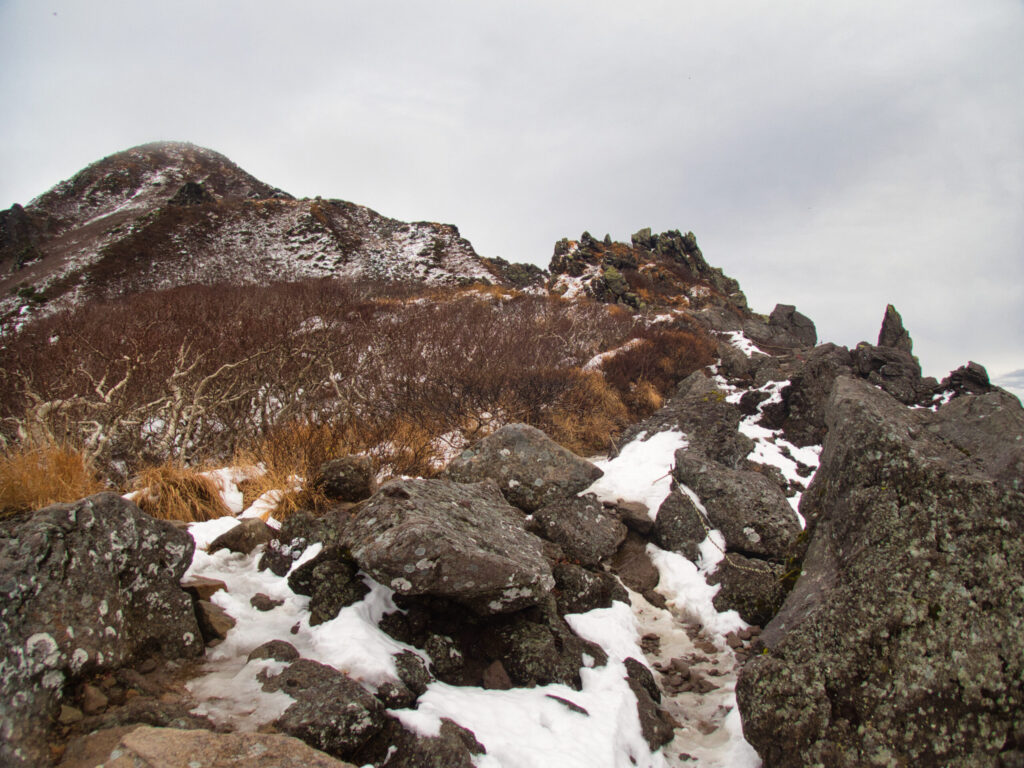
While acknowledging the participants’ regretful expressions, I made a measured decision. Four would retreat. We positioned them in a safe location near the ninth station to wait, and the remaining 18 of us would continue toward the summit. Every action embodied my principles as one entrusted with mountain safety.
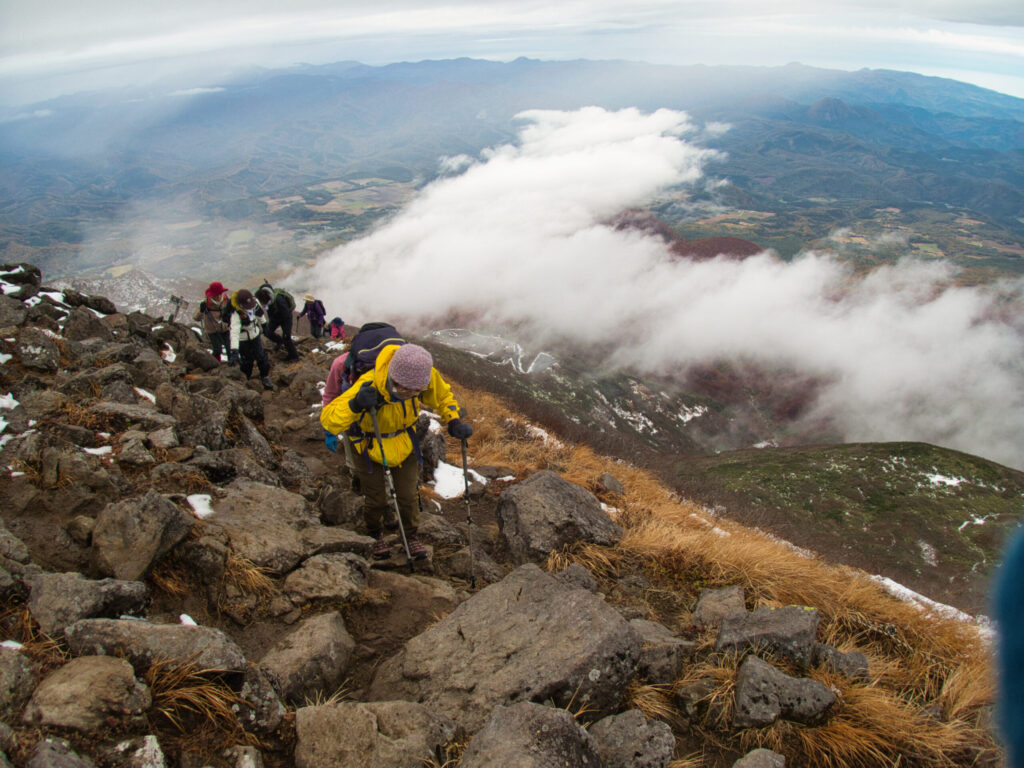
The rocky approach to the summit exposed its skeleton outlined in snow. Step by step, never overconfident in our skills, humbly assessing the dangers hidden in snow, we advanced. Mt. Iwaki-san revealed its stern countenance beneath the beauty, testing all who climb.
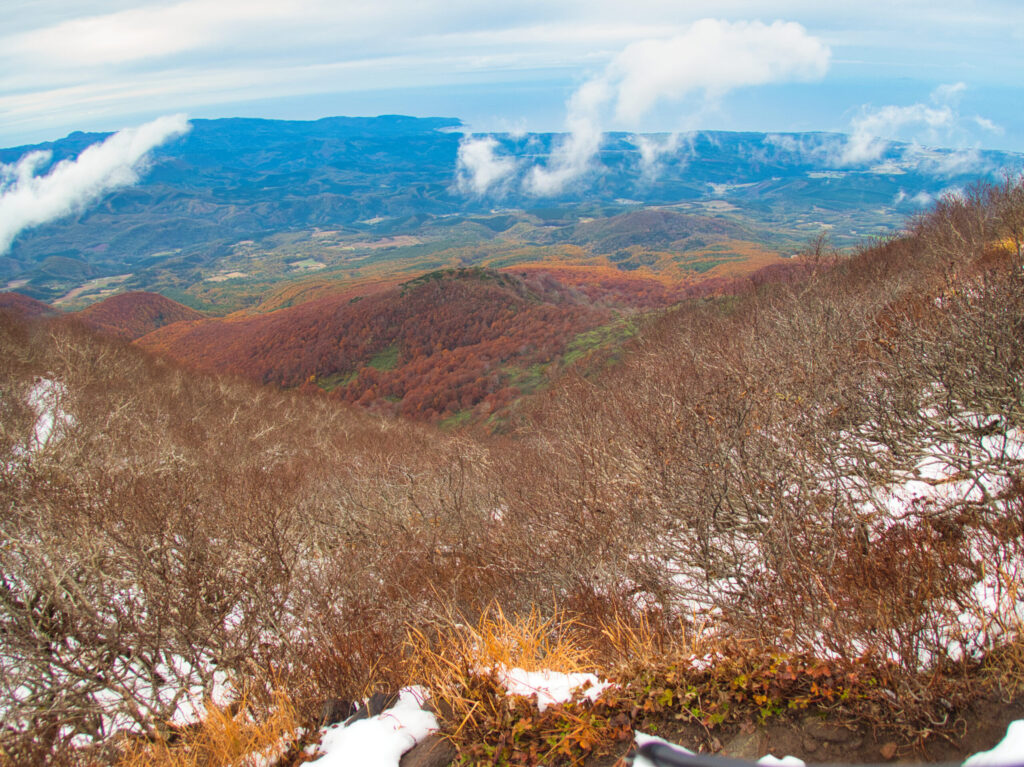
Past 3:00 PM, we finally reached the Iwaki-san Shrine inner sanctuary at the summit. The view from 1,625 meters commanded the Tsugaru Plain below and extended to the distant Sea of Japan—a magnificent panorama. The sky was clear, the cold air biting our skin, yet this was the mountain’s greatest reward for our day’s effort and tension.
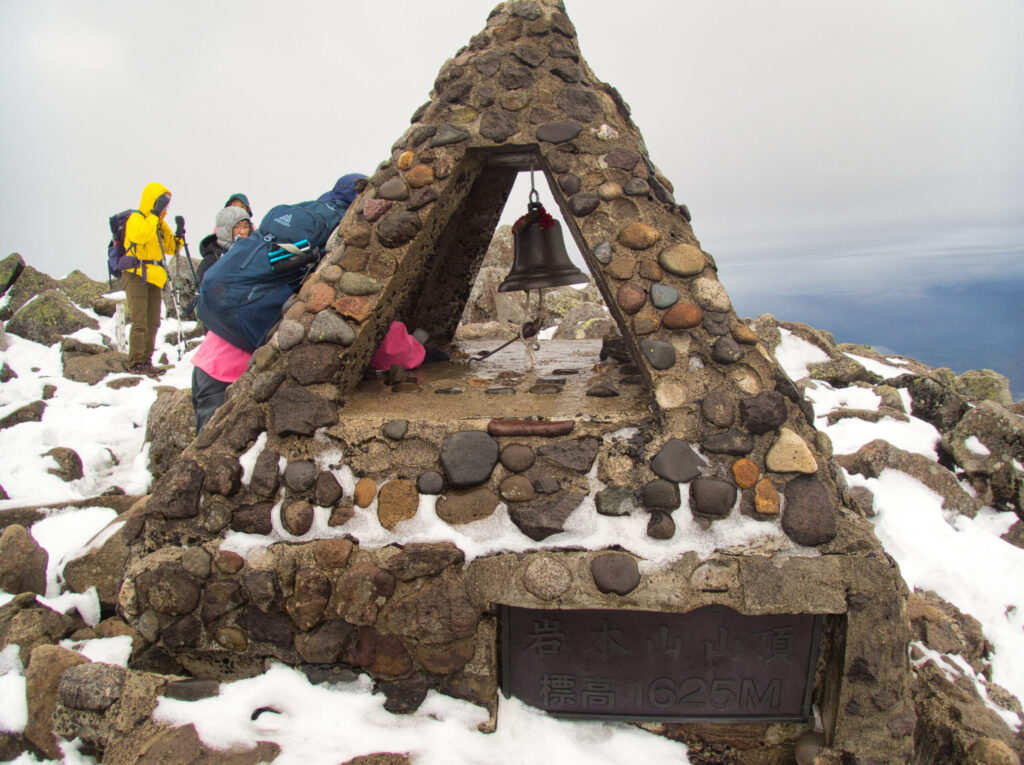
But we had no time to linger in sentiment. We had already exceeded our descent schedule by nearly an hour. The Skyline gate closing time was approaching. We quickly took commemorative photos and immediately began our descent.
Descent is far more difficult than ascent. The route from the ninth to eighth station without using the chairlift had many sections where melting snow had turned to mud and become slippery. Suppressing the urge to hurry, I again urged participants to walk in ways that “absolutely avoid falling.” Focus consciousness on footing, confirm rock irregularities.
Finally, we arrived at the eighth station parking lot just before 4:30 PM, moments before gate closure. As the bus engine started, a relief like a taut string snapping spread through the hearts of all 22 participants and our team.
Mt. Iwaki-san welcomes many with its easy approach (Skyline and chairlift). However, our climb taught us how this very “easiness” combined with “winter’s arrival” can conceal unexpected severity. Without humility, overestimating one’s stamina or judgment results in immediate painful consequences. This was the greatest lesson from Tsugaru Fuji.
That night we recovered our exhaustion at Route Inn in Hirosaki City. Iwaki-san’s first snow left traces of fatigue on body and spirit, but more than that, it inscribed deep within our hearts the irreplaceable memory of a climb that taught us the mountain’s dignity and nature’s lessons.
LOG SUMMARY
While this climb was recorded under severe conditions of unseasonable first snow, our regular Mt. Iwaki-san guided tours focus on the general climbing season (typically May through early October, before snowfall), designed for beginners to participate with confidence.
For Our Guests: Guided Tour Proposal
Q: I’ve heard Mt. Iwaki-san is beginner-friendly. Do I really need a guide?
A: Yes. While access is easy thanks to the Tsugaru-Iwaki Skyline and chairlift, the rock sections just below the summit can be nerve-wracking for beginners. Moreover, Mt. Iwaki-san’s weather can change rapidly, with unexpected fog and wind.
Our guided tours select the snow-free, ice-free season and provide the following support to safely enjoy the magnificent views and seasonal flowers of “Tsugaru Fuji”:
If you want to safely and deeply experience the beautiful mountain form, please join our Mt. Iwaki-san guided tours during the general climbing season without snow. Experience both the beauty and joy of mountains together with an expert guide.
▶︎ View Private Guided Tour Details and Plans