【Deep Dive Chronicle】Uonogawa Main Stream: Three Days at Summer's End
北村 智明
稜線ディープダイブ
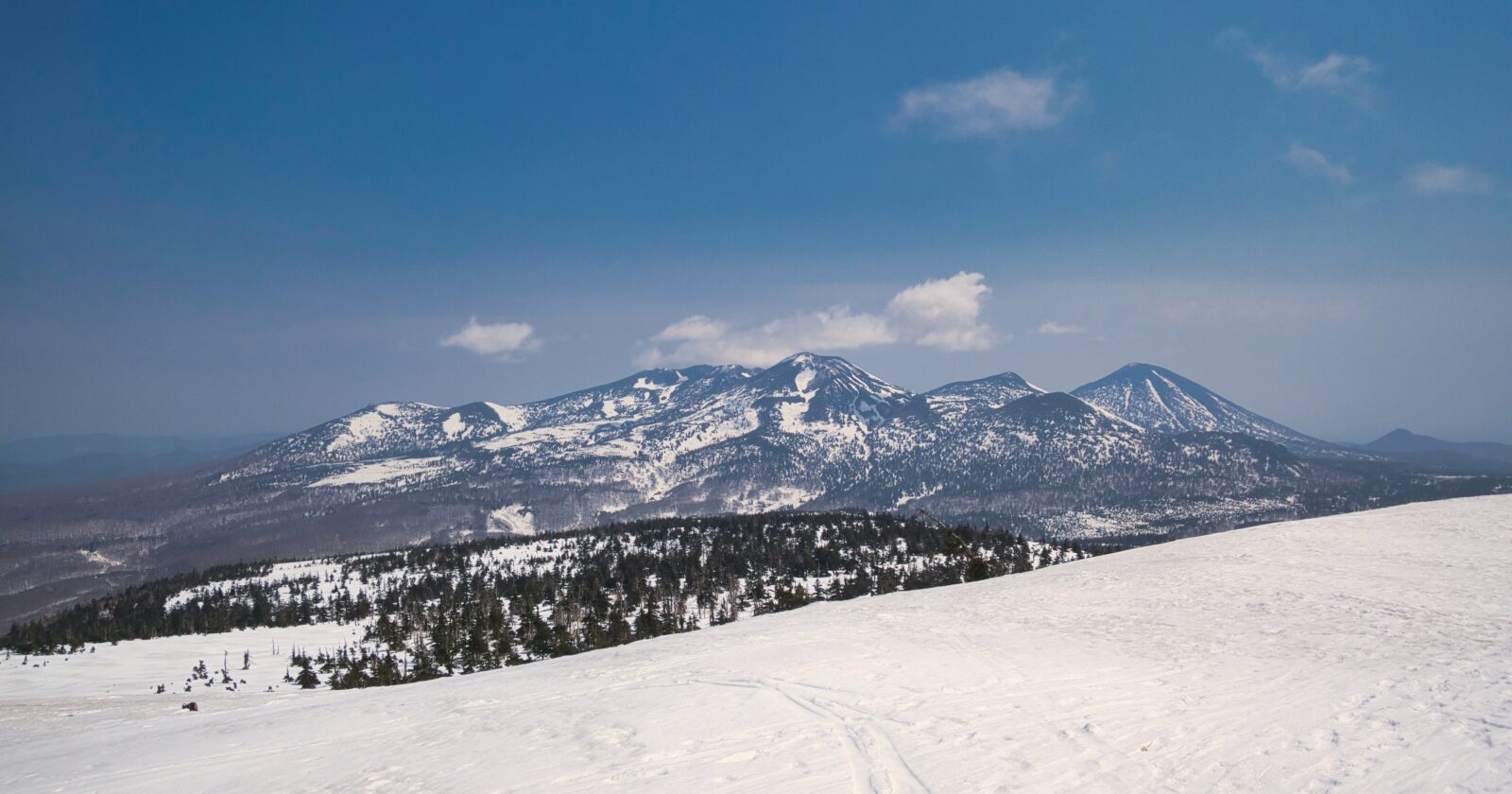
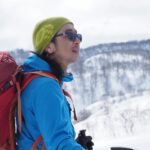
Early May in Southern Hakkoda’s Yokodake. After a violent night of wind battering our tents, we changed our plans at dawn. Crossing a ridgeline hammered by strong southerly winds, we struggled through stop-snow on the north face. A backcountry ski chronicle with a party of seven on a Golden Week adventure.
The night we spent at the campsite near the dam was met with winds beyond our expectations. The sound of wind hammering the tents never ceased all night long. Occasionally, the fly sheets rippled violently and the poles groaned. My sleep was shallow, and I woke repeatedly.
At dawn, we decided to change our destination. The original plan had been to head for Northern Hakkoda, but these winds made that too dangerous. If strong southerly winds were blowing, we should aim for a mountain with a north face. Yokodake emerged as our candidate. This peak rises to 1,339 meters in Southern Hakkoda, across Route 103 from Northern Hakkoda. It’s part of the Southern Hakkoda Range, where gentle mountains including the highest peak, Kushigamine, form a chain, with vast wetlands spreading across the lower slopes.
On the morning of May 4th at 6:54 AM, we parked our vehicles along the roadside near the snow shed at Okiage-daira and prepared our gear. The sky was clear, but the wind remained strong. The temperature was high, creating the difficult situation of feeling hot despite strong winds—a challenging pattern for deciding what to wear. Should I remove one layer, or should I carry insulation considering the ridge winds? All seven members struggled with these adjustments to our kit.
We attached skins and put on our skis. The remaining snowpack was still abundant, allowing us to ski from this low elevation. However, the snow surface had hardened from the overnight freeze.
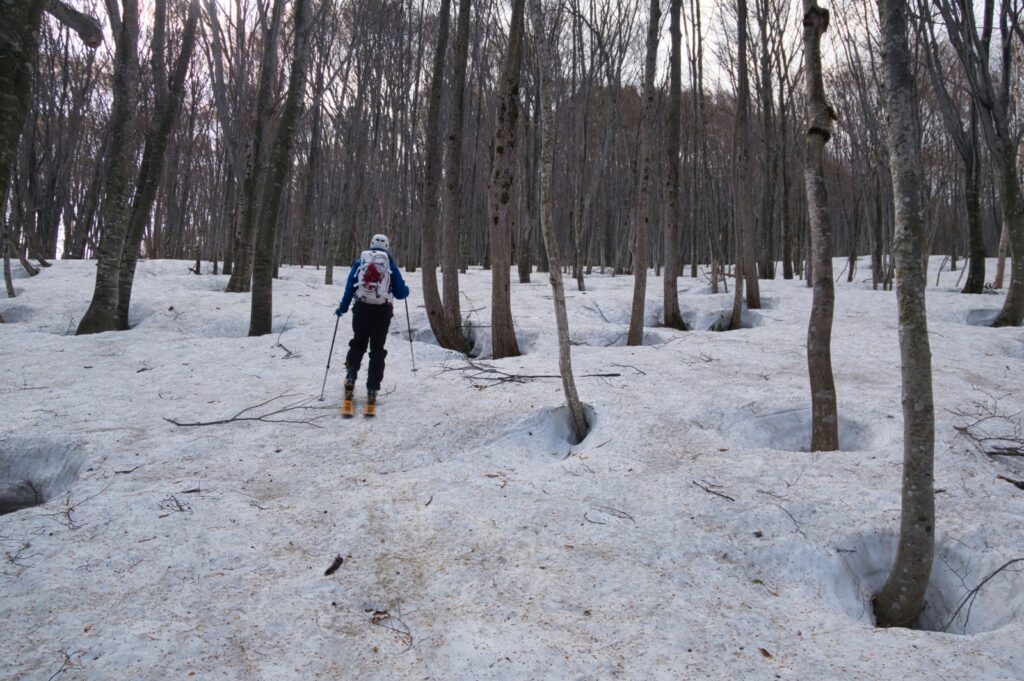
We set off, beginning our ascent through the forested slope. But the skin grip was poor. With each step forward, my skis threatened to slide backward. Was the snow surface too firm, or were my skins in poor condition? I had to move carefully to avoid sliding back. Unable to maintain pace, I could only shuffle upward slowly. In no time, my companions had left me behind. Their figures receded into the distance, and anxiety mounted. However, pushing myself to catch up would only exhaust me. I maintained my own pace, focused on gaining elevation step by step without sliding back, climbing silently and deliberately.
As we gained altitude, the wind strengthened further. Once we emerged from the forest, with nothing to block it, the southerly wind struck mercilessly. The winds were as forecast. However, the temperature was high and sweat poured out. Layering adjustments remained difficult. Enduring the heat, buffeted by the wind, I advanced one step at a time.
At 9:47 AM, I finally caught up with my companions. They had waited for me just before the ridgeline. I caught my breath and drank water. From here on, the wind would strengthen even more.
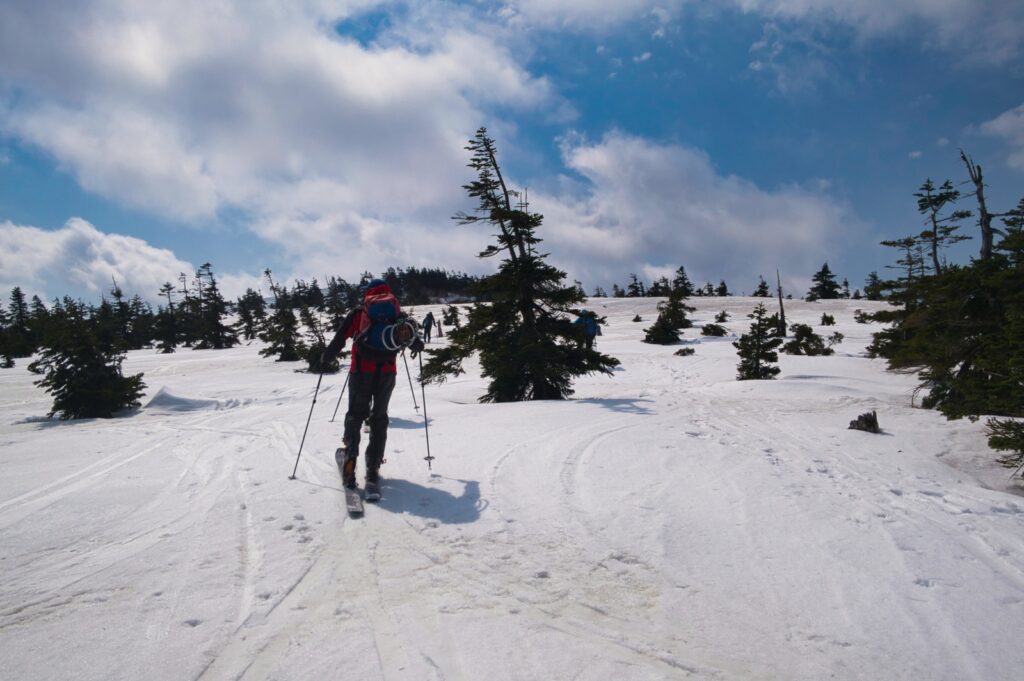
After a three-minute rest, we headed toward the ridge. As expected, the wind had intensified. My body was buffeted, requiring concentration to maintain balance. The summit of Yokodake was right ahead, but the wind blocked our path. I advanced carefully.
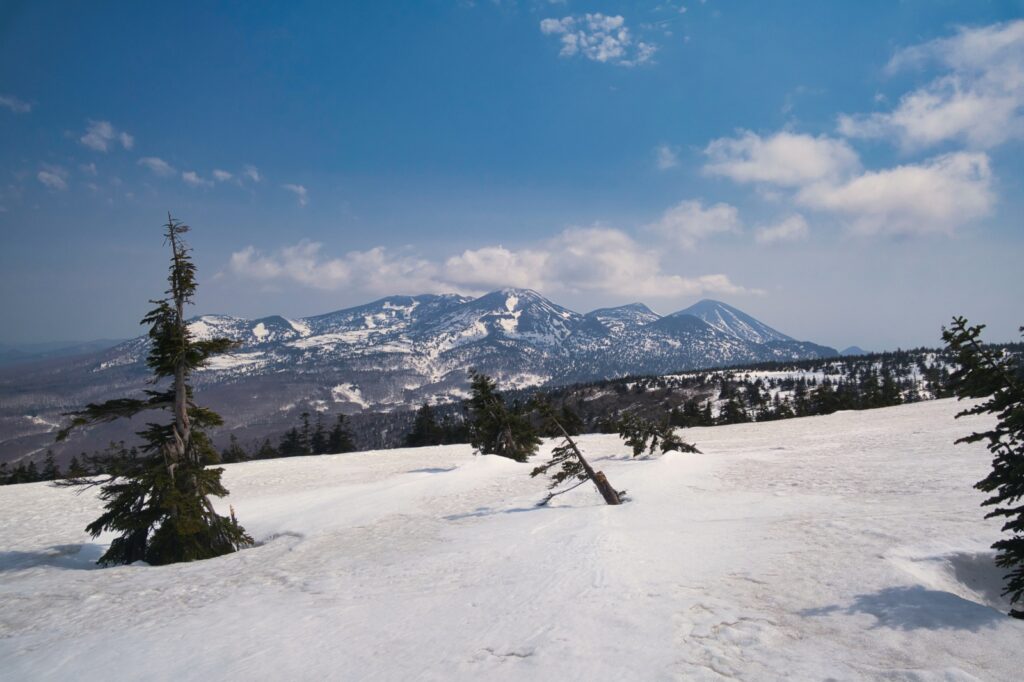
At 10:17 AM, we reached the summit of Yokodake. However, the wind was too strong to linger. With no leisure to enjoy the view, we immediately began preparing for our descent. We removed our skins and switched our bindings to ski mode. I looked down at the north face. The snow surface gleamed white, but I couldn’t yet tell what snow quality awaited us below.
After one minute of preparation, we pushed off. Within the first few turns, I immediately sensed the poor snow quality. It was stop-snow. The edges caught and I couldn’t make smooth turns. The skis wouldn’t run, and I couldn’t control them as I wanted. The slope wasn’t particularly steep, but this snow quality raised the difficulty dramatically.
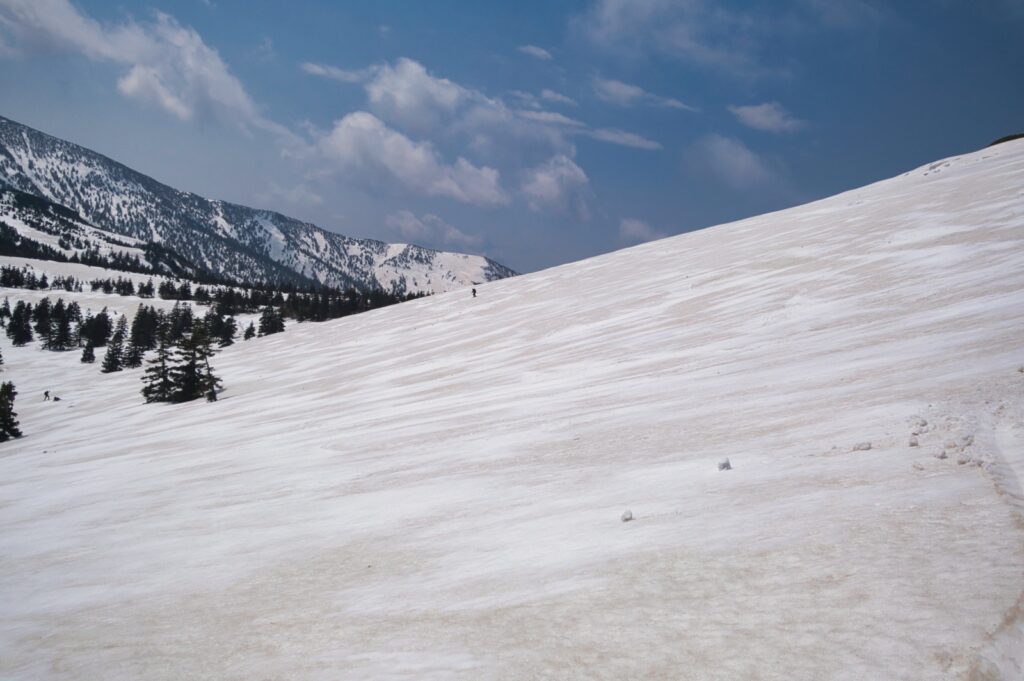
Still, we enjoyed the slopes near the summit repeatedly. We would descend once, then climb back up and ski again. We repeated this about three times. While struggling with the stop-snow, we tried different lines, each of us exploring our own style of skiing. The wind remained relentless, but the satisfaction of skiing made us forget about it.
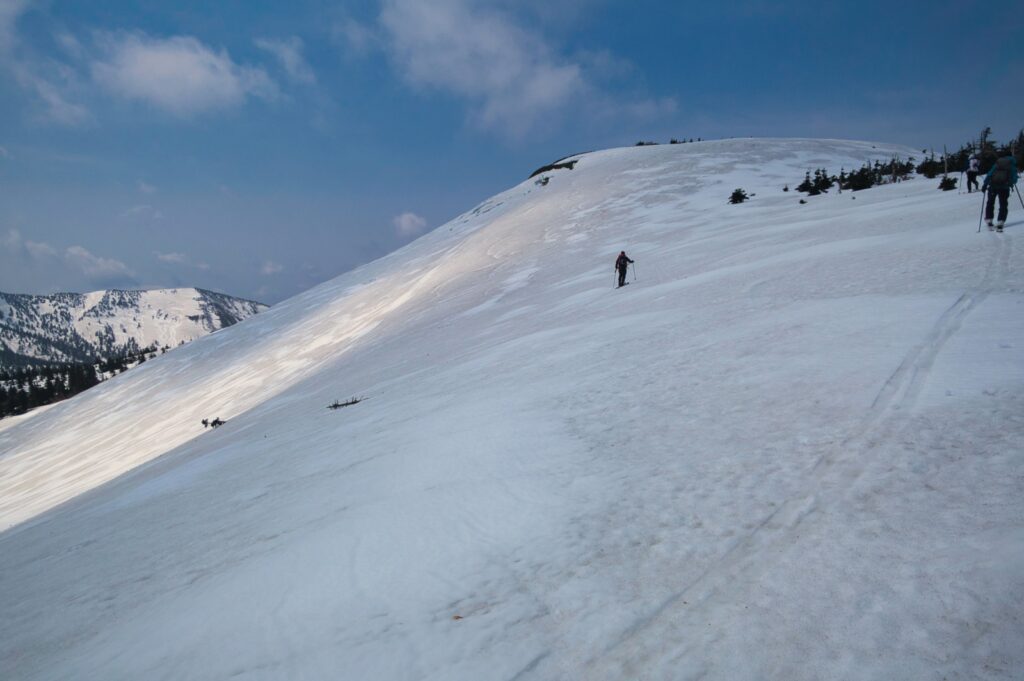
Eventually, we began our main descent. My companions were also struggling, it seemed. Each person descended at their own pace, carefully. I focused on maintaining balance while skidding my skis. Stop-snow tests patience more than technique. I abandoned thoughts of beautiful skiing and focused solely on descending safely.
As we descended, the snow quality gradually improved somewhat. Perhaps because we lost elevation and the temperature rose, the snow became slightly softer. Even so, it was never easy skiing. I couldn’t let my guard down until the very end.
At 11:19 AM, we returned to our starting point. About four and a half hours of activity time. We removed our skis and packed our gear. The wind remained as strong as ever, but a sense of relief at completing the descent enveloped me.
Looking back, Yokodake’s form rose beneath the blue sky. The north face retained faint traces of where we had descended. A slope where we struggled with stop-snow, but that too is part of backcountry skiing’s appeal. Seeking ideal snow conditions is, in the first place, arrogance toward the mountains. How to ensure safety and find enjoyment within given conditions—that is the mountain’s teaching.
The decision to change plans from the previous night’s storm and choose Yokodake was correct. On days with strong southerly winds, head for mountains with north faces. A basic strategy, but not easy to implement. Weather judgment, route selection, energy management—only when everything aligns can we safely enjoy the mountains.
Each of the seven members climbed at their own pace and skied with their own technique. Not one person had the same experience. Yet we shared the same mountain and spent the same time together. That fact makes this expedition special.
Returning to the car, I removed my wet layers. My entire body was soaked with sweat and snowmelt. However, the sense of accomplishment outweighed the discomfort. The stormy night, the morning route change, the windswept ridge, the stop-snow north face—everything was characteristic of a Southern Hakkoda day in early May.
LOG SUMMARY